Educating Bartenders Worldwide.
By Beverage Trade Network
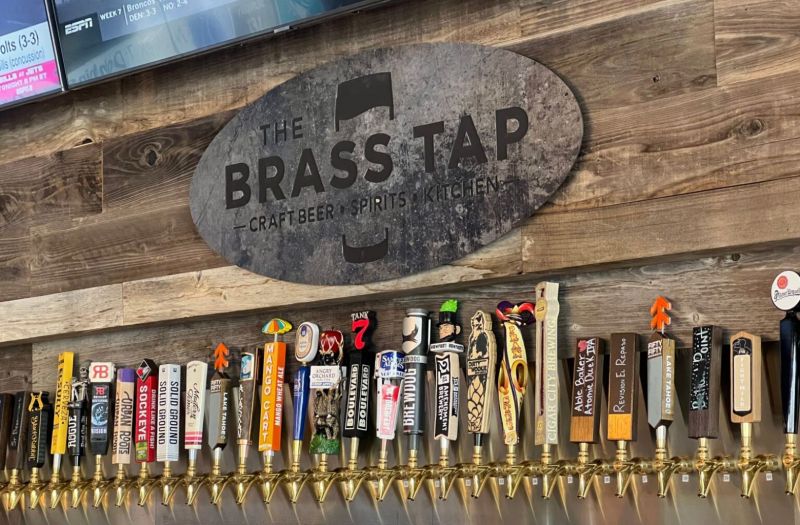
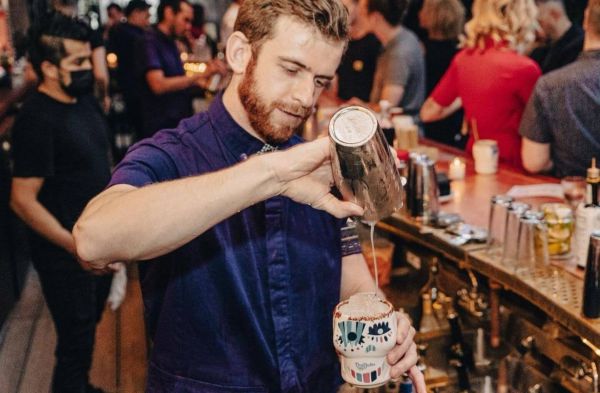
Seasonal beer menus are often treated like a fun update, something to refresh the board when the weather changes or a holiday gets close. But for bars, taprooms, and restaurants, they can be much more than that. A smart seasonal beer program is a sales tool, a loyalty driver, and a simple way to make the bar feel alive. Guests like novelty, especially when it feels limited. A familiar guest may come in for a pint, but they come back because they do not want to miss what is on tap next. Rotating taps give bartenders a natural reason to start conversations, suggest flights, and introduce new breweries. Limited releases from brands like Sierra Nevada, Samuel Adams, New Belgium, Stone Brewing, BrewDog, Allagash, Bell’s, Dogfish Head, and local craft breweries create urgency without needing a hard sell. The hidden profit is not only in the seasonal pint. It is on the return visit.
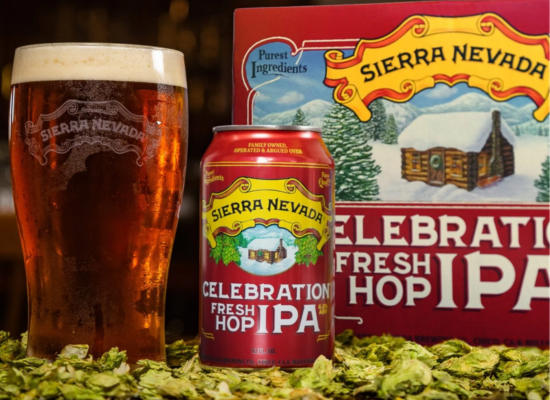
Source: Sierra Nevada
People enjoy discovering something new, especially when the choice feels low-risk. A guest who already trusts your bar is more likely to try a new beer if the bartender can explain it clearly. For regulars, a changing tap list gives them a reason to visit more often. They are not just ordering another beer. They are checking what has changed. Seasonal flavors also connect with mood, weather, holidays, and local events. Crisp lagers, wheat beers, pilsners, kölsch, and fruited sours work well in summer. Autumn opens the door for Oktoberfest lagers, amber ales, märzens, pumpkin ales, and fresh-hop IPAs. Winter suits stouts, porters, Belgian dubbels, spiced ales, and stronger dark beers. Spring is a good time for saisons, pale ales, witbier, and bright citrus-driven IPAs. Major breweries already use that pattern. Sierra Nevada positions Celebration IPA as an October-to-December seasonal, while Samuel Adams keeps a visible seasonal lineup that includes beers such as Summer Ale and Winter Lager. For the business, the benefit is simple: a rotating menu gives guests a reason to visit more often without a full rebrand, expensive campaign, or major operational change.
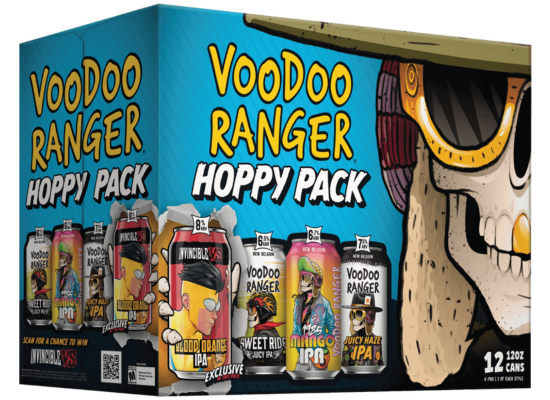
Source: New Belgium
Seasonal beer can increase sales because it gives the team more to work with than “What would you like?” A rotating list creates reasons to recommend, sample, pair, and upsell. Limited releases can justify higher prices when they are well-positioned. A guest may hesitate over a standard pint price, but they may accept a higher price for a rare stout from Founders, a fresh-hop IPA from Sierra Nevada, a one-off Stone Brewing release, a Voodoo Ranger variant from New Belgium, a BrewDog seasonal, or a local brewery collaboration that will not be available next month. BrewDog, for example, describes some seasonal releases as limited in quantity and available only for a limited time, which is exactly the kind of message bars can translate into guest-friendly language. Seasonal taps also make flights easier to sell. A bartender can suggest, “Try the autumn flight. You get the märzen, the pumpkin ale, the brown ale, and the fresh-hop IPA.” Tasters reduce the risk for the guest while increasing the total spend. The same applies to food. “This one pairs well with the smoked wings.” “That porter is great with the chocolate dessert.” “We just tapped this collaboration yesterday.” “This keg is only on for the next week.” The goal is not just to sell more beer. It is increasing the value of each guest interaction.
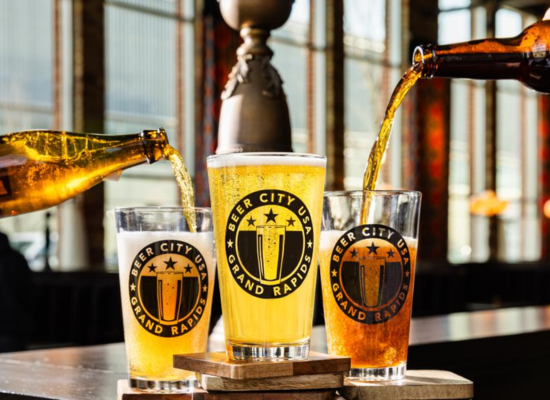
Source: Experience Grand Rapids
Bartenders are the bridge between the beer list and the guest. A seasonal menu only works if the team can talk about it in a way that feels natural, clear, and useful. Staff do not need to sound like certified judges. In fact, simple language usually works better than technical tasting notes. Most guests do not need a lecture on ester profiles, hop oil, or malt bill. They want to know what it tastes like, whether they will enjoy it, and why it is worth trying now.
A practical framework helps:
Flavor: What does it taste like?
Occasion: When is it best enjoyed?
Guest match: Who will like it?
Urgency: Why try it now?
For example: “Try this winter porter if you like coffee, chocolate, and a smooth finish. It is a limited keg, so it probably will not be here next weekend.”
The same approach works for recognizable brands. “If you like Guinness but want something more local, try this oatmeal stout.” “If you usually drink Blue Moon, you may like this Belgian-style wit.” “If you like hazy IPAs, this limited Voodoo Ranger release is worth a taste.”
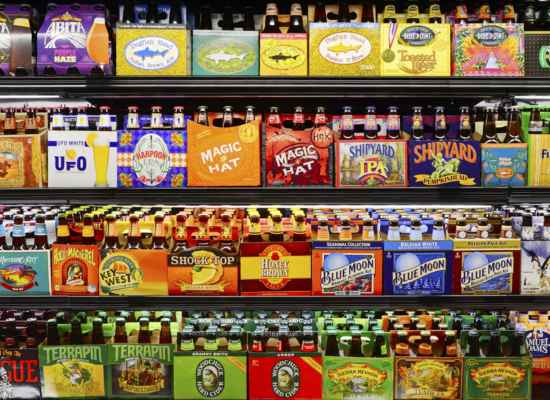
Source: WUNC News
Scarcity works because guests act faster when something may sell out. A limited beer can turn a normal weeknight into a reason to come in, especially when the bar presents it casually and confidently. Stone Brewing’s special releases are framed around limited-edition beers, unusual ingredients, and special times of year, while its collaboration program highlights partnerships with other brewers. Those are useful examples for bars because they show how one beer can carry a story, not just a style name. Bars can build similar energy with simple ideas: New Tap Friday, first-pour discounts, limited flight menus, chalkboard updates behind the bar, or countdown posts when a keg is nearly gone. A taproom might post, “Last call for the cherry saison. One keg left.” A neighborhood bar might write, “Fresh keg tapped: local rye IPA from Friday through sellout.”
Collaborations give a bar something valuable: a story to tell. A beer brewed with a local brewery is not just another tap handle. It can represent a neighborhood, a chef’s dish, a charity, a holiday, a sports season, or a shared customer base. The Brewers Association notes that on-premise selling matters because brands are built on-premise, which is a useful reminder for both breweries and bars. A collaboration gives both sides a reason to promote the same pour. A bar could work with a nearby brewery on a house pale ale, a summer lager, a winter stout, a charity amber ale, or a beer built around a seasonal food special. A chef might create smoked brisket tacos for a rauchbier. A dessert menu could feature a brownie paired with a local imperial stout. A seafood restaurant might pour an exclusive saison with oysters. Many local breweries, such as Brooklyn Brewery and Firestone Walker, have helped make collaboration culture familiar to beer drinkers. For smaller venues, the lesson is simple: a collaboration can turn one product into a marketing campaign.
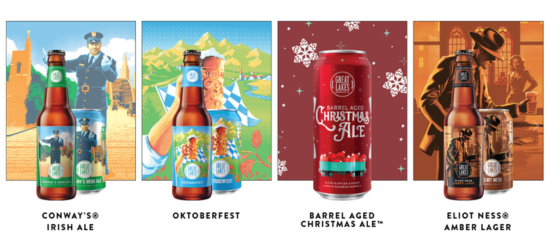
Source: Great Lakes Brewing
A strong seasonal menu needs balance. Do not rotate everything at once. Guests still need reliable anchors, especially regulars who come in for the same lager, pale ale, stout, or cider every week.
A practical tap balance is 40% reliable core beers, 40% seasonal or rotating beers, and 20% experimental, limited, or collaboration beers. The core section might include Guinness, Heineken, Stella Artois, Peroni, Budweiser, Coors Light, Modelo, Blue Moon, or a dependable local lager, depending on your market. The seasonal section might include Samuel Adams Oktoberfest, Sierra Nevada Celebration IPA, Bell’s Oberon, Great Lakes Christmas Ale, Deschutes Jubelale, Allagash White, or a local summer wheat. The experimental section is where you can feature a barrel-aged stout, a fruited sour, a hazy IPA, a chef collaboration, or a one-keg release.
Bars should offer different styles, strengths, price points, and flavor profiles. They should avoid loading the board with high-ABV IPAs and calling it seasonal, and instead include lighter, more approachable options as well. They should track what sells and what sits, train staff before the beer goes live, and write descriptions guests can understand: “crisp and floral,” “dark chocolate and coffee,” “bright citrus and soft bitterness,” “toasty malt with a clean finish.”
Seasonal beer menus are not just about variety; when planned well, they create conversation, urgency, loyalty, and stronger supplier relationships while giving bartenders better openings, managers more effective promotional tools, and guests a compelling reason to return. Rotating taps help keep a bar feeling fresh without losing its identity, limited releases can increase average spend, and collaborations can connect the venue to the local beer scene, all supported by clear descriptions and well-trained staff who turn potential into actual sales. Ultimately, the hidden profit behind seasonal beer menus is not only in the pint sold today, but in the guest who comes back next week to see what is pouring next.
Header image source: This Is Reno
Also Read:
How Highball Culture Is Reshaping Bar Programs Across The United States
Navigating the World of Intentional Cocktails: Beyond the Buzz
Sake 101 for Bartenders: Mastering the Basics