Educating Bartenders Worldwide.
By Beverage Trade Network
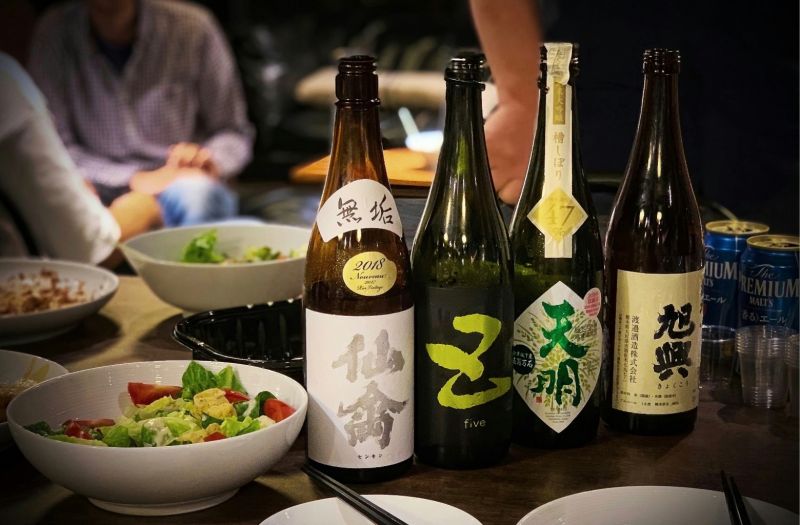
In the ever-evolving world of mixology, few spirits offer the complexity and versatility of sake. Traditionally associated with Japanese culture, this rice-based beverage is gaining traction in bars and restaurants around the globe. For bartenders looking to expand their repertoire, mastering the basics of sake can open up a world of creative possibilities. This guide will delve into the fundamentals of sake, exploring its production, types, serving methods, and how it can be incorporated into cocktails, providing insight into how you can enhance your cocktail menu.
At its core, sake is a fermented beverage made from rice, water, yeast, and koji mold. The production process is intricate, involving multiple stages that transform simple ingredients into a refined drink. Unlike beer or wine, sake undergoes a unique fermentation process known as multiple parallel fermentation, where starch is converted to sugar and then to alcohol simultaneously. This dual action contributes to sake's distinct flavor profile.
The quality of sake is heavily influenced by the type of rice used, the water source, and the brewing techniques. Premium sake is often made from highly polished rice, which removes the outer layers, resulting in a cleaner taste. The water used in brewing is equally important; soft water tends to produce a smoother sake, while hard water can enhance umami flavors. Understanding these elements allows bartenders and sommeliers to appreciate the nuances of different sake varieties and how to pair them with various dishes.
Sake is not a one-size-fits-all beverage; it comes in various styles, each with unique characteristics. The main categories include junmai, honjozo, ginjo, nigori and daiginjo, which are classified based on the degree of rice polishing and the addition of distilled alcohol.
Each type of sake can be used creatively in cocktails. For instance, a junmai can provide a robust base for a savory cocktail, while a daiginjo can elevate a delicate drink with its intricate flavors. Use junmai or honjozo for robust drinks, such as old Fashioned or negroni styles. Use Ginjo or Daiginjo for refreshing, aromatic cocktails like mojitos, juleps or tom collins.
The way sake is served significantly impacts its taste and aroma. While many may think of sake as a warm beverage, it can be enjoyed at various temperatures, each bringing out different characteristics. Junmai and honjozo are often served warm or at room temperature, enhancing their rich flavors. In contrast, ginjo and daiginjo are best enjoyed chilled, allowing their delicate notes to shine.
Glassware also plays a crucial role in the sake experience. Traditional sake cups, known as ochoko, are small and designed to enhance the drinking experience. However, using a wine glass can be beneficial for aromatic varieties, as it allows the drinker to appreciate the bouquet. As bartenders, experimenting with different serving methods can create a unique experience for patrons, encouraging them to explore sake beyond its traditional confines.
As the craft cocktail movement continues to thrive, sake is emerging as a versatile ingredient in mixology. Its unique flavor profile can complement a wide range of spirits and mixers, allowing bartenders to create innovative cocktails. One approach is to use sake as a base spirit, substituting it for gin or vodka in classic cocktails. For example, a sake martini can be made by combining gin and sake, resulting in a smooth, nuanced drink that highlights the best of both worlds.
Additionally, sake can be used in refreshing spritzers or highballs, paired with soda water and fresh fruits. A sake mojito, for instance, can be crafted by muddling mint and lime, adding sake, and topping it off with soda, creating a light and invigorating cocktail perfect for warm weather.
For those looking to push the envelope further, consider incorporating sake into tiki-style cocktails, where its umami qualities can enhance tropical flavors. A sake-based mai tai, with its blend of citrus and almond notes, can offer a delightful twist on the classic recipe, appealing to adventurous drinkers.
As a bartender, part of your role involves educating customers about the beverages you serve. When it comes to sake, sharing knowledge can enhance their appreciation and encourage them to try new things. Consider offering sake flights that allow patrons to sample different types, discussing the flavors and characteristics of each. This not only engages customers but also provides an opportunity for storytelling, connecting them to the culture and tradition behind sake. Additionally, hosting sake tasting events can be a fun way to introduce customers to the world of sake. Pairing sake with various foods and providing insights into the brewing process can help cultivate a loyal customer base eager to explore the nuances of this fascinating beverage.
Incorporating sake into your cocktail offerings is about embracing a rich cultural heritage and the artistry of fermentation. And as the beverage landscape continues to evolve, embracing sake can set a bar apart, attracting curious customers eager to learn and taste. By sharing knowledge and crafting unique cocktails, bartenders can elevate the status of sake in the modern drinking culture, transforming it from a traditional beverage into a contemporary favorite.