Educating Bartenders Worldwide.
By Beverage Trade Network
The fact that consumers are looking towards options that promote health and wellness, comes as no surprise anymore. The trends switched gears soon enough to become the norm now and the opportunities this behaviour presents are plenty. An example of one such avenue being intentional cocktails. A trend that is not just about reducing alcohol intake but instead about enhancing the drinking experience through flavor, creativity, and mindfulness. Exploring the world of intentional cocktails reveals a multitude of flavors, ingredients, and cultural influences that cater to a diverse audience. This narrative delves into the evolution of these beverages, the ingredients that define them, and the innovative practices that are shaping this exciting segment of the beverage market.
Historically, cocktails were designed to deliver a pleasurable experience through alcohol. However, as awareness of health issues has grown, so has the desire for alternatives that do not compromise on flavor or experience. This evolution can be traced back to the rise of the craft cocktail movement, where mixologists began to emphasize quality ingredients and artisanal techniques.
Today, intentional cocktails often incorporate fresh, seasonal ingredients that enhance flavor. Herbs, spices, and botanicals play a crucial role in this transformation, as they offer unique profiles and potential health benefits. For instance, a cocktail featuring fresh basil or rosemary not only provides a refreshing taste but also introduces aromatic elements that can elevate the drinking experience.
As the conversation around intentional cocktails expands, zero-proof beverages have emerged as a significant player. The rise of zero-proof options reflects a growing acknowledgment that social experiences do not have to revolve around alcohol consumption, leading to bars and restaurants recognize their importance as well. This shift creates a more inclusive space, allowing everyone to enjoy a refined drink while still sharing the same moments as their liquor-curious friends..
When it comes to intentional cocktails, mixologists are tasked with creating beverages that are equal parts enjoyable and memorable. Supplementing a deep understanding of flavor profiles, ingredient interactions, and presentation, the goal is to engage all the senses to deliver an experience. One effective approach to achieving this is through the use of layering flavors. A cocktail that combines smoky mezcal with bright citrus and a hint of sweetness from agave can create a complex flavor profile that lingers on the palate. Additionally, incorporating unexpected ingredients like charcoal, activated herbs, or specialty bitters, can add depth and intrigue to a drink.
The visual appeal of a cocktail can significantly influence the perception of taste. Creative garnishes, unique glassware, and thoughtful color combinations can elevate a drink from ordinary to extraordinary. For example, a vibrant beetroot-infused cocktail served in a chilled coupe glass, garnished with a delicate edible flower looks stunning and invites curiosity.
The trend towards using organic, locally sourced, and sustainable components is gaining momentum and intentional cocktails thrive on this mandate. The desire for transparency prompts bartenders to forge relationships with local farmers and producers, ensuring that their cocktails are environmentally responsible.
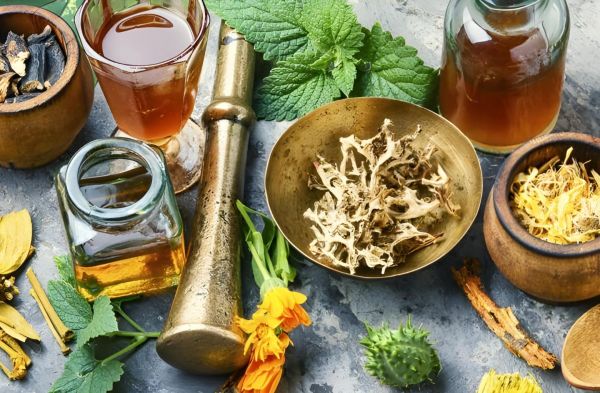
Herbs and botanicals are particularly popular in intentional cocktails, thanks to their versatility and health benefits. Ingredients like lavender, chamomile, and ginger can add unique flavors while also contributing to wellness. A cocktail featuring ginger-infused syrup can provide a refreshing kick while also offering digestive benefits. Similarly, incorporating adaptogenic herbs into cocktails can appeal to health-conscious consumers seeking a moment of relaxation.
Techniques such as sous-vide infusion, fat-washing, and carbonation are becoming increasingly popular in cocktail creation. These methods allow for the extraction of flavors, leading to unique beverages. Sous-vide infusion involves vacuum-sealing ingredients with a spirit and cooking them at a low temperature, yielding intense flavors and aromas that might not be achievable through traditional infusion methods. Fat-washing, on the other hand, involves infusing spirits with fats—like bacon or coconut oil—creating a rich mouthfeel and unique flavor profile. These innovative approaches not only enhance the quality of the cocktails but also spark curiosity among consumers, encouraging them to explore new tastes and experiences.
As more people seek to moderate their alcohol consumption or abstain altogether, the beverage industry is responding by creating spaces where everyone feels welcome. Bars and restaurants are beginning to prioritize inclusivity by offering diverse menus that cater to all preferences, including a range of alcoholic options and thoughtfully crafted zero-proof cocktails. Establishments that embrace this philosophy are likely to attract a broader audience, fostering a sense of community and connection among patrons.
The intentional cocktail movement shows no signs of slowing down. Consumers are becoming more discerning, seeking out experiences that align with their values and preferences. Moreover, the rise of technology in the beverage industry presents new opportunities for innovation. From apps that provide personalized drink recommendations to online platforms that connect consumers with local distillers and craft producers, technology is enhancing the way we explore and enjoy beverages. This digital integration will likely play a pivotal role in shaping the next generation of intentional cocktails, making it easier for consumers to discover new flavors and experiences. As the beverage industry continues to evolve, embracing creativity and inclusivity will be essential in crafting a future where everyone can enjoy the art of drinking, whether that includes alcohol or not.
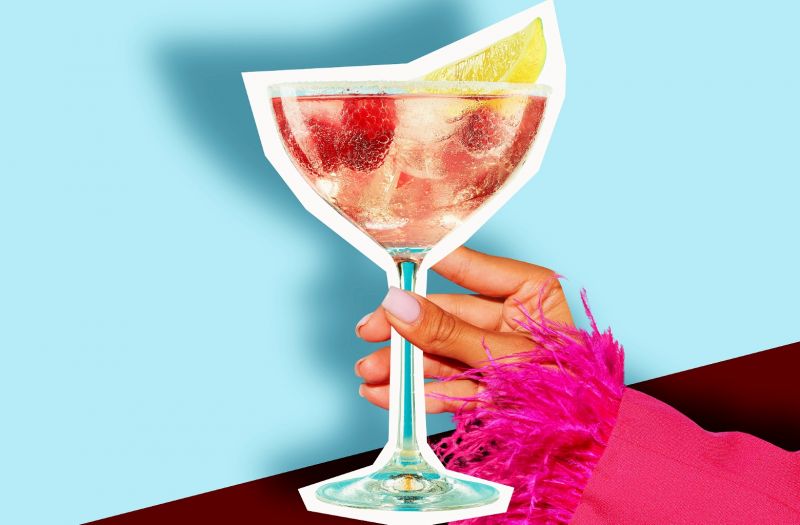
Header image sourced from Adobe Express.