Educating Bartenders Worldwide.
By Beverage Trade Network
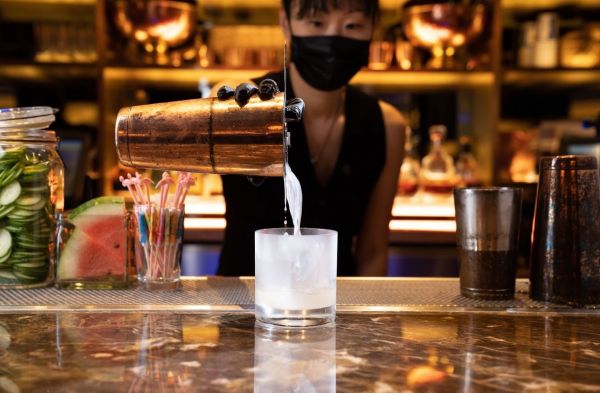
Walk into some of the most influential bars today, and you'll notice something surprising. Amid shelves stocked with premium spirits, sophisticated cocktail menus, and highly trained bartenders, one of the most popular drinks being served is often one of the simplest. The highball, traditionally a straightforward combination of spirit and carbonated mixer, is experiencing a remarkable resurgence. But this isn't merely another cocktail trend cycling through the industry. What began as renewed interest in Japanese whisky highballs and premium whiskey serves has evolved into something much bigger. Across the United States, highball culture is influencing how bars design menus, train staff, manage inventory, and improve profitability.
For years, cocktail culture rewarded complexity. Bartenders competed to create drinks with house-made syrups, rare ingredients, elaborate garnishes, and multi-step preparation techniques. While those drinks still have a place, many operators are finding that modern guests increasingly appreciate lighter, more approachable, and easier-to-enjoy beverages for an extended evening. At the same time, labor shortages, rising operating costs, and changing consumer preferences are forcing bars to rethink efficiency. The highball sits at the intersection of these trends. It offers premium experiences without operational complexity, making it one of the most strategically important categories in today's beverage programs. As a result, highball culture is no longer a niche movement. It is becoming a defining force in the evolution of some of the top bars in the United States.
Source: Maekan
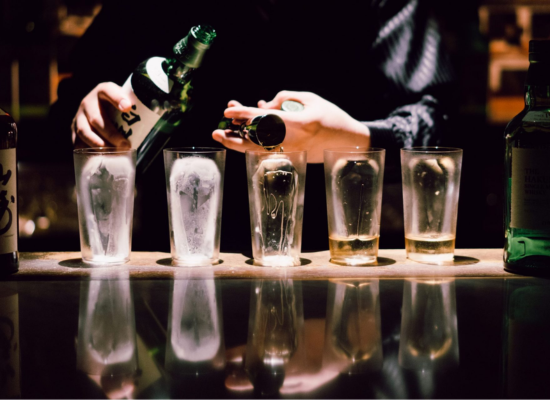
At its core, a highball is simple. A spirit is combined with a carbonated mixer, usually soda water, ginger ale, tonic, or a flavored sparkling beverage. Yet simplicity can be deceptive. The modern highball movement draws heavily from Japan, where bartenders elevated the category through precision and attention to detail. Every element matters, from ice quality and carbonation levels to glass temperature and pouring technique. Brands such as Suntory helped popularize the Japanese whisky highball internationally. Their emphasis on consistency and craftsmanship inspired bars around the world to reconsider what a seemingly simple drink could become. Today, highballs have expanded well beyond whisky. Operators are building programs around tequila highballs, rum highballs, gin highballs, and even emerging categories like shochu and agave-based spirits. Rather than functioning as a quick mixed drink, the highball has become a showcase for premium ingredients and technical execution.
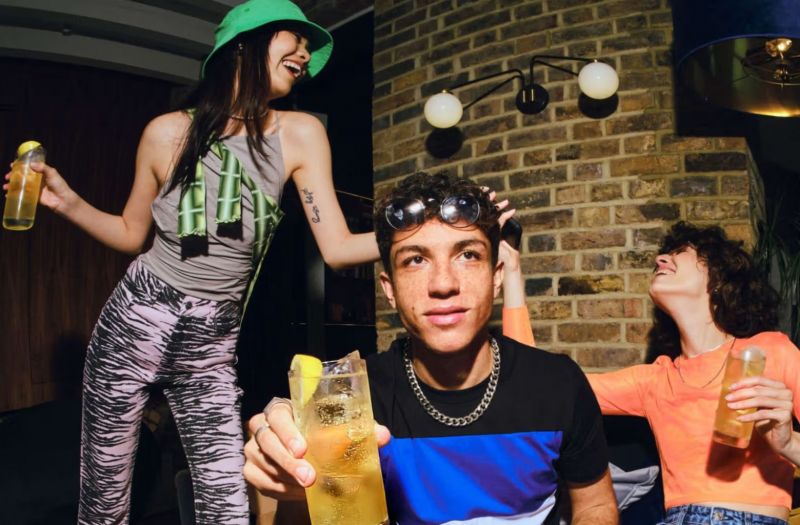
One of the biggest drivers behind the highball's rise is changing consumer behavior. Many guests are drinking differently than they did ten years ago. The modern consumer is often more health-conscious, more interested in moderation, and less attracted to overly sweet or spirit-forward cocktails. The popularity of hard seltzers, lighter cocktails, and low-ABV beverages reflects this shift. Brands such as White Claw, Truly Hard Seltzer, and High Noon demonstrated the market's appetite for refreshing, sessionable drinks long before bars fully embraced the trend. Highballs naturally fit these evolving preferences. They deliver flavor, refreshment, and premium spirit character without overwhelming the palate or significantly increasing alcohol consumption. Younger consumers, particularly Millennials and Gen Z drinkers, are also less interested in cocktail complexity for its own sake. Many value authenticity, quality ingredients, and transparency over elaborate presentations. A well-made whiskey highball communicates confidence. It doesn't rely on theatrical techniques or excessive garnishes. Instead, it lets the spirit speak for itself.
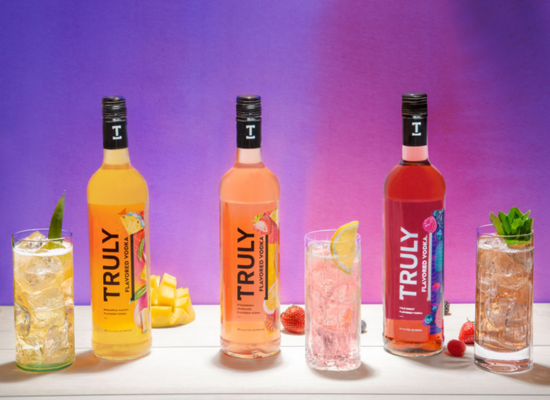
Source: Truly Hard Seltzer
For bars, the appeal extends far beyond consumer demand. One of the most significant advantages of highballs is operational efficiency. Consider the difference between preparing a six-ingredient craft cocktail and building a premium highball. The former may require syrups, fresh juice, bitters, multiple bottles, shaking, straining, and garnish preparation. The latter can often be executed in less than half the time while maintaining a premium guest experience.
This matters during peak service periods. Faster preparation allows bartenders to serve more guests without sacrificing quality. In an industry where labor costs continue to rise, efficiency directly impacts profitability. Consistency is another advantage. Highballs reduce the variability that can occur between bartenders with different experience levels. New staff members can quickly master proper execution while still delivering a product that meets quality standards. Major hospitality operators across the country are increasingly prioritizing systems that improve consistency and service speed. Highball-focused programs align perfectly with those objectives.
While highballs may appear simple, their financial impact can be substantial. Many bars generate strong margins on highballs because the ingredient list is limited. There are fewer perishables, less waste, and lower preparation costs compared to many craft cocktails. Premium spirits further enhance profitability. A guest may willingly pay a premium for a highball featuring products from Beam Suntory, Diageo, Pernod Ricard, Brown-Forman, or William Grant & Sons because the spirit remains the centerpiece of the drink. At the same time, bars avoid many of the costs associated with labor-intensive cocktails. Highballs also encourage repeat ordering. Guests often consume multiple rounds throughout an evening because the drinks are refreshing and easy to enjoy. This creates additional revenue opportunities without significantly increasing service demands. For operators balancing labor shortages and tighter margins, that combination is increasingly attractive.
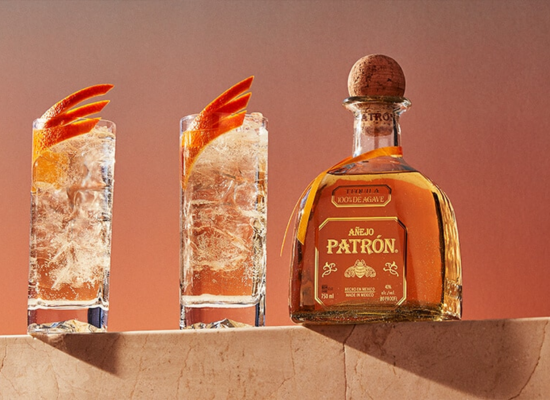
Source: Patrón Tequila
The influence of highball culture can now be seen directly on beverage menus. Historically, highballs occupied a small corner of the menu or existed as unlisted mixed drinks available upon request. Today, many bars dedicate entire sections to the category. This approach simplifies guest decision-making. Rather than navigating lengthy cocktail lists, customers can choose from a curated selection of spirit-forward serves built around recognizable brands and flavor profiles. Many programs now feature premium whiskies from brands such as Maker's Mark, Jim Beam, Hibiki, Yamazaki, and Nikka Whisky paired with premium soda or specialty carbonation systems. Others are experimenting with tequila highballs using brands like Patrón and Don Julio, while gin-focused venues highlight expressions from Hendrick's Gin and Tanqueray. The result is a cleaner, more focused menu that remains highly profitable.
Perhaps the most fascinating aspect of the movement is the growing emphasis on technical precision. Elite bars increasingly treat highballs with the same respect traditionally reserved for classic cocktails. Ice programs have become more sophisticated. Large-format cubes and crystal-clear ice are now common. Carbonation quality receives closer attention. Glassware is often chilled before service. Some venues even measure carbonation loss during preparation. This level of detail reflects the influence of internationally recognized bars and hospitality groups that view simplicity as an opportunity to demonstrate mastery rather than reduce effort. The philosophy is straightforward: when a drink contains only two or three ingredients, every detail becomes more noticeable. A poorly made highball is immediately apparent. A perfectly executed one can be unforgettable.
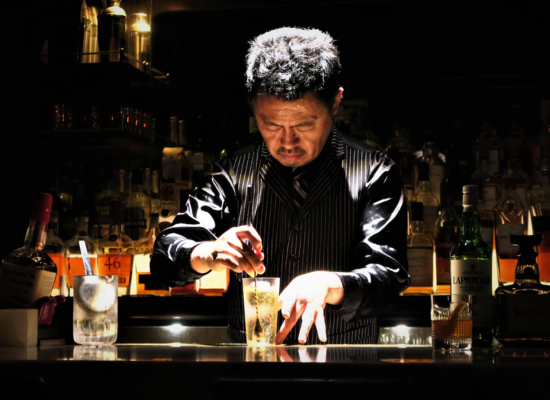
Source: The Washington Post
The rise of highball culture shows no signs of slowing as consumers increasingly gravitate toward lighter, more approachable drinking experiences. Once considered a simple mixed drink, the highball has evolved into a strategic category that aligns perfectly with modern hospitality trends. Dedicated highball bars are appearing in major cities, while established venues are expanding their offerings through premium mixers, advanced carbonation systems, and draft solutions that improve consistency and speed of service. Continued investment and innovation in this space highlight its growing importance as a platform for elevating quality ingredients and enhancing the guest experience. More importantly, the highball reflects a broader shift in consumer preferences toward refreshment, moderation, and authenticity. For operators, it delivers efficiency, consistency, and strong margins. In today's bar industry, the highball is no longer a supporting player but a powerful driver of menu innovation and profitability.
Header image source: Chivas
Also Read:
Winners of the 8th Annual International Bartender Spirits Awards Revealed
Why Flavoured Tequila Is Dominating Cocktail Menus
Navigating the World of Intentional Cocktails: Beyond the Buzz