Educating Bartenders Worldwide.
By Beverage Trade Network
Learning cocktail recipes is only the beginning of becoming a great bartender. The professionals who reach the top of the industry also know how to communicate, stay organized, manage pressure, work as part of a team, and create memorable experiences for their guests.
For young bartenders, technical skills can be learned through training and practice. The more difficult skills to develop are patience, humility, situational awareness, emotional intelligence, and the discipline to keep learning.
We asked 20 bartenders and beverage professionals one important question:
Their answers offer practical advice for young bartenders who want to improve their skills, earn greater responsibility, and build a long-term career in hospitality.
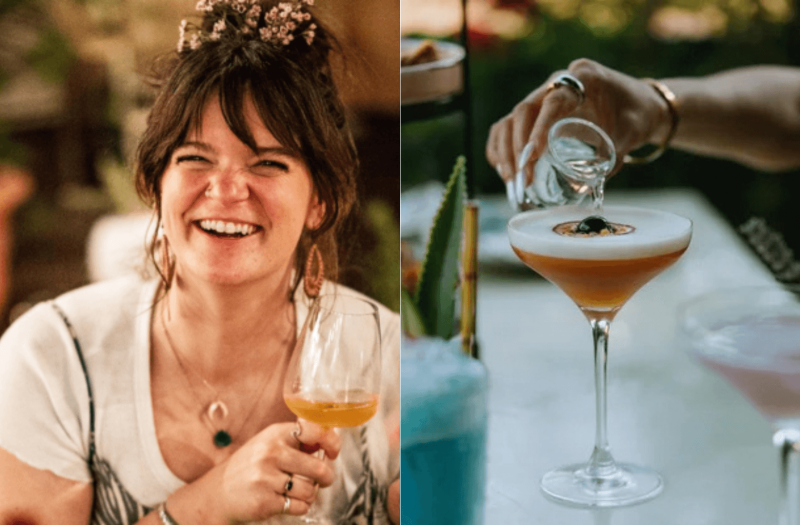
Makenzie Helem
It really depends on the environment of the bar and what the person is trying to get out of bartending. A universal skill, though, is the ability to adapt and always wanting to be better. There is so much to learn in this field, and it only helps you grow as a bartender. Another important skill is passion; whether it's guest experience, creative expression, or whatever reason keeps you bartending, keep that fire burning. This one might sound a little strange, but I think it's important as a bartender or anyone in the service industry to be aware of how they're feeling. So many people experience burnout and change careers, and I think part of that could be prevented if we all checked in on ourselves. Give yourself a break, take a vacation, leave the toxic workplace, and find a place you're happy to go to each day. Of course, you can always decide to leave the industry for whatever reason, but being in tune with why you're having those feelings could make a difference. That can also be expanded for guest experience. If you're not happy, it's easy to let it affect service. Being able to shake off a bad day or take the time you need is a skill that ensures everyone has a good time.
Alec Vlastnik
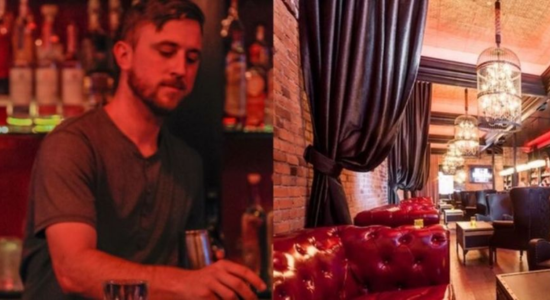
Humility, focus, and a positive attitude.
Understanding that you don't have all the answers is extremely important. Of course, you have more knowledge and information about the bar than your guest does. The important part is to share that knowledge without making them feel less intelligent or seeming pompous. It is equally important to approach the job every day like you intend to learn something new.
If you cannot focus on multiple tasks at once, then this will be a difficult job for you. Multi-tasking skills can be improved with experience. The best bartenders are always focused on the task(or tasks) at hand.
A positive attitude can improve your coworkers' working environment and your guests' experience. No one is in a good mood all the time, but you gotta fake it till you make it. Your mood is always easily perceived by the guests and can immediately make or break an experience. Know more about Alec Vlastnik here.
Jamie Twigg
Be personable - think of the bar as a stage, and you're the headline act; your main priority is the guests' happiness, and being friendly & engaging provides the foundation to deliver that amazing experience that every guest wants. Personality & passion are key to building those relationships.
Communication - it's an easy answer but critical nonetheless. I aim to ensure every member of my team understands they have a voice and it should be heard. Everyone contributes to the success of the team, and communication is the foundation of that.
Be analytical and critical - you should be constantly analysing what's going on in the bar: who needs serving? Who needs the bill? Has someone had too much to drink and we need to look out for their safety? Small details that help service run smoothly and let guests leave happy.
Michael Thompson

The list is long, but to start, just be you and bring that personality to your bar each and every night. Remain consistent, not robotic. If you're just in it for the money and quick cash, your shelf life will be short-lived. Work the bar like it's yours; take ownership of it. Take pride in your bar. Multitasking is of the utmost importance also; this job demands that you're usually doing at least 3-4 different tasks at the same time, all while your guest at the end of the bar wants to show you pictures of their weekend getaway or pics of the grandkids! Keep your Cool.
Learn more about him here.
Marcello Cauda
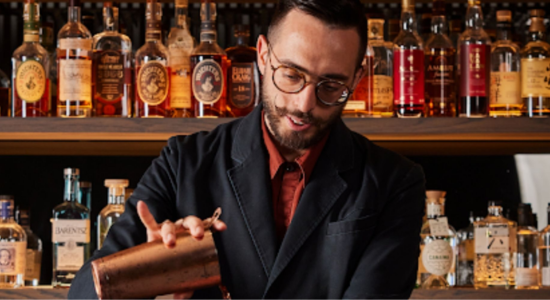
Mastering the Art of Innovation in Luxury: Marcello Cauda’s Vision for The Berkeley’s Blue Bar. Full article here.
First of all, the smile. Personally, I think the smile is a skill that is not often taken into consideration. Often, the smile means that the person who is serving you the drink really cares about what he does and wants you to have the best experience ever. Hospitality is a word that is not used a lot anymore. When you have had amazing hospitality and service, the drink you have comes in second place; you will always remember the bartender's name rather than the drink you had.
Hamza Najdaoui
In my personal opinion, the most important skills for bartenders are the love for what they do, reliability, a positive attitude, and a strong hunger for knowledge. These are the perfect recipe for creating a strong and professional bartender because the technical and the theoric part can be built along the way. Especially in our job, where every day we should learn something new regarding products, technique, or regarding the customer service.
Maddalena Sommo
In my opinion, bartending skills can be taught, but the most important thing a bartender or any hospitality employee should have is emotional skills. Danny Meyer puts this perfectly in words in Setting the Table- having the optimistic warmth, that genuine kindness, self-awareness and integrity, empathy, work ethic, and an insatiable curiosity to learn are all emotional skills that can not be taught, but with which one is blessed to behold.
Maritza Jeffers
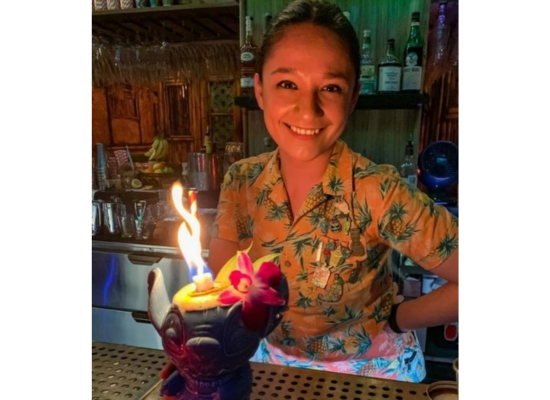
Multitasking is key, along with a sense of urgency. These are my top two skills definitely needed to be a proper bartender. You should be able to make six cocktails while talking to a guest, ring someone up for their drinks, and place someone's food order as well. On top making sure that the guest is satisfied and happy with their experience. And having all the knowledge about cocktails and spirits will be a plus.
Matteo Carretta
To be humble and patient, this job is about learning and developing and takes time to grow and build your professionalism. But it's important to have the right priorities and not value our job too much.
Keep it real and understand that as there is always someone that know less than you, there is also someone who knows more; help people to grow and ask for help from people who can make you grow.
Horace Buckenham
Most techniques and physical skills for a bartender can be taught; what is really important is the bartender's mindset and outlook. You want someone who is comfortable socially, eager to learn, and level-headed. If a bartender can stay calm under pressure, smile, and take on board instructions, they can learn any of the other skills required to be good at the role.
Juyoung Kang
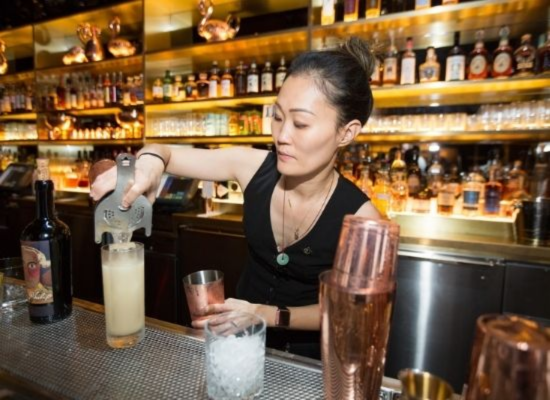
Juyoung Kang in action. Past judge at Bartender Spirits Awards. Source: Bartender Spirits Awards
Besides being knowledgeable and technically skilled, a bartender should mostly have humility and kindness. Be a great storyteller and build relationships. Without these skills, no one will sit at the bar for you to utilize your knowledge and technical skill. Everything is a cycle, and you must learn the full cycle for anything in life to function.
Aom Aphiradi Lee
1. Knowledgeable (knowledge is everything; you have to know your product)
2. Attitude (no one wants to come see a moody bartender)
3. Open-minded (you don't want to be a stubborn bartender; willing to learn, good listener, want to do your best)
4. Work ethic
5. Team player.
Kristofer van Zanten
Patience, the ability to try and learn new things, but most importantly the ability to unlearn and relearn old things. It is too often I see an older bartender shaking a Manhattan with the response, "That's how I learned to do it." Be able to accept that maybe you were taught incorrectly, or that times have changed and so have preferences.
Andreas Grammatikopoulos
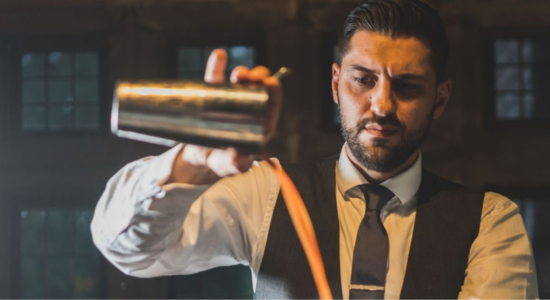
The most important skill for me is for the bartender to be passionate about his/her job. To understand that the show only lasts a few hours and that the actual work is done behind the scenes. Finally, to understand and be ready to put in the required amount of work. Everything else can be taught with practice, time, and experience.
Andreas Grammatikopoulos puts in the hard work to create a gem of a bar in the Lakes District with local, fresh ingredients grown on their farm, with a drinks menu that blows their guests away.
Jason Lam
Communication always stands out, as it is a cornerstone in building relationships with both co-workers and guests. After that would be creativity and organization, which go hand in hand in creating better logistics behind the bar, improving cocktail quality and consistency, and giving guests an amazing experience all around.
Emiliano Esteban Vazquez-Parrales
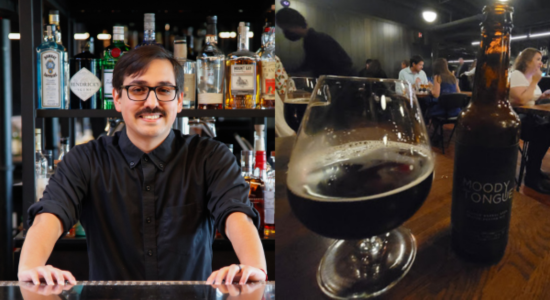
Image source: Emiliano Vazquez-Parrales & Moody Tongue Brewing Co.
Time management and situational awareness are huge. You need to know when it's time to engage with the guests and when it's time to put your head down and knock out some tickets. A great bartender can read the room, prioritize constantly, stay organized, and still make the person sitting in front of them feel taken care of.
Bryson Ryan
Branching out and thinking outside the box. Making sure that they have the skill sets necessary to deliver what guests can expect at my establishment, and the required work to gain the skills that will be needed to succeed and move further along in their career. Because every job you take will require the most out of you.
Michael Cecconi
Multi-tasking, good palate, a commitment to service, and a touch of empathy. When people can look over the bar and see the other as a person, not just a tip or a servant, then real connections can form. BUT, one of the most important skills is to question sexism and racism when it presents itself.
Kate Iwinski
The ability to quickly adapt to a situation and read a room- whether there's only one other person or 150+ in there with you. One can do their best to organize and plan things successfully, but in the end, it's how one can corral a situation that's not running smoothly into a success that matters.
Jonathan Whitwell

Get to know Jonathan Whitwell, Director of F&B
Diplomacy and the ability to be a social chameleon are key with guests. Being innovative with drinks is always great but I feel being consistent with recipes is even more important so guests come back and get what they are expecting.
The bartenders featured in this article come from different hospitality backgrounds, but their advice shares several clear themes.
Learn your products and techniques, but do not allow knowledge to become arrogance. Stay humble, listen to experienced colleagues, and remain willing to question what you already know. The drinks industry constantly changes, and the bartenders who continue learning give themselves the best opportunity to advance.
Develop your ability to multitask without losing awareness of the guest. Speed matters, but so do accuracy, cleanliness, consistency, and communication. A top bartender knows when to concentrate on the drinks in the well and when a guest needs attention.
Take ownership of your bar. Arrive prepared, understand the menu, support your team, and treat the space as if it were your own business. Managers notice bartenders who solve problems, stay calm during difficult services, and help the entire team perform better.
Most importantly, remember that bartending is about hospitality. Guests may initially visit for the drinks, but the experience determines whether they return. Make people feel comfortable, listen to what they want, and recommend drinks with genuine enthusiasm.
Becoming a top bartender does not happen through one competition, course, or job. It comes from developing good habits during every shift, learning from the people around you, and consistently making guests feel that they are being looked after.
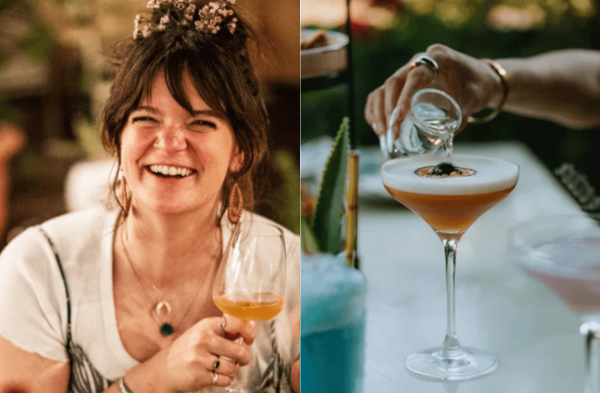
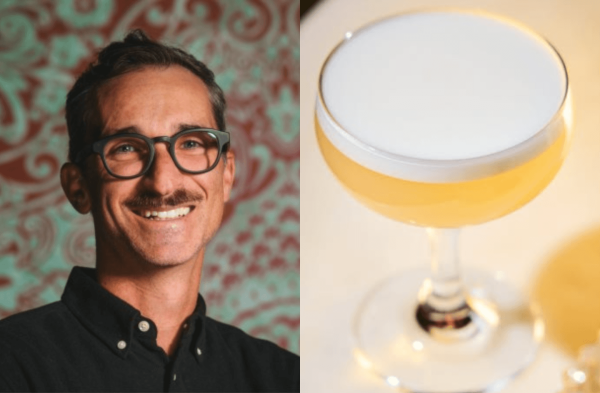
Header image: Makenzie Helem
Also Read:
The Fall Menu Reset: Are You Building Cocktails for Your Guests—or for Other Bartenders?
Sake 101 for Bartenders: Mastering the Basics
The Future of Mixology Isn’t Louder—It’s More Intentional