Educating Bartenders Worldwide.
By Beverage Trade Network
As bars prepare to move out of summer, fall menu planning is already underway. But are beverage teams creating drinks their customers will order—or menus designed primarily to impress the drinks trade? For experienced bar managers, the 2026 fall reset should be less about showcasing every new technique and more about balancing creativity, guest demand, operational efficiency, and profit.
There is a point in almost every cocktail development session when someone produces a drink that makes the whole team stop and pay attention. It may involve a roasted grain infusion, clarified pear cordial, house fermentation and an obscure amaro that took months to source.
Everyone agrees that it is interesting. The question nobody asks is whether a guest will order a second one.
That is one of the traps of seasonal menu development. Bartenders naturally want to explore new ingredients and techniques. Beverage directors want a list that earns industry attention. Owners want something that can be photographed, promoted, and used to distinguish the bar from its competitors.
The guest, meanwhile, may simply want a very good Old Fashioned.
That does not mean bars should stop innovating. It means innovation must be placed within a menu that customers can understand, bartenders can execute and the business can afford to operate.
By late August, most serious bar teams should already be developing their fall menus. But the process needs to begin with more than a collection of seasonal ingredients.
Too many menus are constructed one drink at a time. Each bartender develops a cocktail, the strongest ideas are selected and the final list is assembled. The individual drinks may be good, but together they do not necessarily produce a balanced or commercially useful menu.
The better approach is to design the menu architecture first.
How many drinks will be light and refreshing? How many will be spirit-forward? Where is the lower-alcohol option? Is there a recognizable sour? Is there a drink for the Martini customer? What will the guest who usually orders an Espresso Martini choose? Is there a genuinely credible alcohol-free serve?
This is not about making the menu conventional. It is about ensuring that every type of guest has a way into it.
A menu containing eight technically fascinating brown, stirred cocktails may impress other bartenders, but it leaves a large part of the customer base with very little to order.
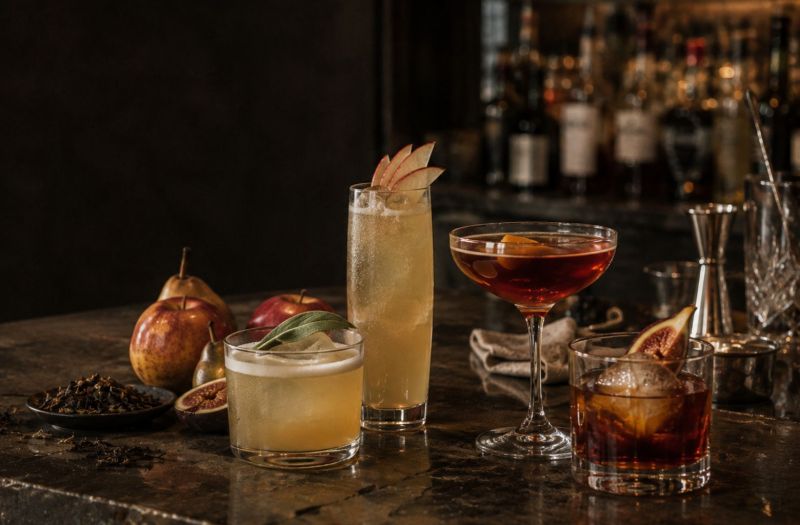
Apple, pear, cinnamon, maple and baking spices will inevitably return to menus this fall. There is nothing wrong with that. Guests recognize those flavors, understand the seasonality and can make a relatively confident ordering decision.
The mistake is thinking that familiar ingredients automatically produce familiar drinks.
Apple does not have to become an overly sweet whiskey sour. It can be fermented, acid-adjusted or paired with fino sherry, bitter botanicals and salinity. Pear can sit alongside Cognac, alpine herbs or oxidative wine. Maple can act as a seasoning for rye or aged rum rather than becoming the entire identity of the drink.
The best seasonal cocktails offer the guest something recognizable and then take it somewhere unexpected. The familiar reference helps sell the drink; the contrast makes it memorable.
Bars sometimes try so hard to avoid obvious seasonal flavors that they create menus with no emotional connection to the season. There is no prize for being the only bar in town refusing to use apple in October. The challenge is to use it better.
Seasonality should also extend beyond cocktails. Beer can bring variety, margin and a clear sense of occasion without adding another complicated prep sheet to the bar. As explored in The Hidden Profit Behind Seasonal Beer Menus, a considered seasonal beer rotation can increase choice and improve profitability while requiring far less production labor than a new cocktail.
Tea is likely to play a larger role in sophisticated cocktail programs this fall. Not because it is suddenly fashionable, but because it solves several practical problems behind the bar.
It can add tannin, bitterness, aroma and length without increasing alcohol or requiring large quantities of sugar. It can support full-strength cocktails, low-ABV serves and alcohol-free drinks. It is also relatively inexpensive while carrying considerable perceived value when handled properly.
Hojicha can bring roasted cereal and nutty notes to whiskey, aged rum or Cognac. Oolong can offer floral lift and mineral character. Assam and other robust black teas can provide structure in punches and milk-clarified drinks. Lapsang souchong can supply smoke, although it needs to be handled with considerably more restraint than it often receives.
Tea is not, however, a magic ingredient. Poor extraction produces bitterness and astringency, which are then usually covered with more sugar. If tea is going to form part of the cocktail’s structure, it needs a proper production specification covering water temperature, weight, extraction time, yield and holding period.
“Make a strong tea” is not a recipe.
Savory and umami-led cocktails continue to move into the mainstream. Tomato water, miso, mushroom, olive, sesame, seaweed and clarified broths can all add depth to a drinks program.
They can also produce some extremely unpleasant cocktails.
The trade’s enthusiasm for unusual ingredients can occasionally make us forget that guests are not ordering a list of techniques. They are ordering a drink. The fact that a cocktail contains mushroom does not automatically make it sophisticated, just as adding truffle oil does not automatically improve a plate of food.
Savory ingredients work best when they extend flavor, improve texture or create contrast within an established drink format. A guest can understand a savory Martini, a clarified Bloody Mary or a salted Highball. Familiar structure gives the bartender a way to explain the drink without delivering a lecture at the table.
One well-resolved savory cocktail can bring enormous personality to a menu. Four of them can make the list feel like an experiment the guest is paying to attend.
Experienced operators already understand that lower-alcohol drinking is not confined to January. The more interesting challenge is how to build these drinks without making guests feel they are receiving less.
Reducing the base spirit in a conventional cocktail rarely works. Alcohol brings weight, texture, aroma and length. Once it is removed, those elements must be rebuilt through other ingredients and techniques.
Sherry, vermouth, amaro, aperitifs, tea, carbonation and fermented components give bartenders the tools to create lower-strength drinks with genuine structure. A successful low-ABV cocktail should stand on its own rather than presenting itself as the responsible alternative to something more exciting.
It should also be priced with confidence. Guests are not purchasing alcohol by the milliliter. They are paying for a composed drink, skilled preparation, hospitality and their place in the venue.
A well-designed low-ABV serve may also encourage another round. From an operator’s perspective, two measured drinks consumed over a longer visit may be more valuable than one strong cocktail followed by water and a request for the check.
This is particularly relevant as earlier, lighter drinking occasions become more commercially important. The growth of aperitivo-style visits, daytime socializing and shorter early-evening occasions is examined further in The Daycap Economy: Why Earlier, Lighter Drinking Is Changing the Bar Business.
The same commercial logic applies to zero-proof drinks. If the bar is using specialist ingredients, fermentation, clarification and the same level of presentation as its alcoholic cocktails, the price must reflect that investment. Treating the category like an expensive soft drink undermines both its credibility and its margin.
The pressure to create a “social-media drink” has produced plenty of impressive photographs and some painfully slow bars.
A signature cocktail can be an effective marketing asset, but it needs one clear idea. That could be a distinctive color, an unusual glass, an aromatic element, an identifiable garnish or a short piece of storytelling.
It does not need all five.
Bars should be particularly cautious about presentations that require multiple pieces of equipment, fragile garnishes or lengthy tableside service. The guest may enjoy the ritual, but the bartender still has ten other tickets waiting.
The real test is whether the drink can be reproduced consistently during the busiest service of the week. If the answer is no, it is a development concept rather than a menu-ready cocktail.
Cocktails are usually developed under ideal conditions: a clean station, plenty of glassware and enough time to make adjustments. Service offers none of those luxuries.
Before a drink reaches the list, it should be assessed by build time, bottle touches, required movements, ice, glassware, garnish handling and refrigerated storage. Managers should test what happens when six orders arrive at once—not when one is made for the team at 3 p.m.
The most effective complexity is created before service. Stable cordials, controlled batching, acid-adjusted components and clarification can allow a bar to serve technically sophisticated drinks without performing every stage to order.
Guests should experience the result of the work. They do not need to watch all of it happen.
Every Ingredient Must Earn Its Place
Seasonal menu development can quickly fill a walk-in with specialist syrups, infusions and garnishes that appear in only one drink.
That is a warning sign.
A new component creates more than an ingredient cost. It requires purchasing, storage, preparation, labeling, staff training and eventual disposal. A house-made cordial that costs very little on paper can become expensive once several hours of weekly labor and realistic wastage are included.
Cross-utilization does not mean making every cocktail taste the same. It means designing ingredients intelligently enough to perform different functions across the program. A roasted pear preparation, for example, might provide sweetness in one cocktail, aroma in a Highball and body in an alcohol-free drink.
Every component should have a documented yield, shelf life, production schedule and destination. If a manager cannot explain where an ingredient is going and how quickly it will move, it probably does not belong on the menu.
A low beverage-cost percentage does not automatically make a cocktail profitable.
Managers also need to consider the gross profit generated by each sale, the labor required to produce it, the speed at which it can be served and its expected sales volume. A drink with a slightly higher cost percentage may still be commercially valuable if it carries a premium price and sells consistently.
The opposite is also true. A highly profitable cocktail on a spreadsheet contributes very little if guests rarely order it.
Full costing should include fresh ingredients, preparation losses, garnishes, specialty ice, consumable presentation pieces and realistic wastage. Labor-intensive elements must also be questioned. A garnish that costs only a few cents can become the most expensive part of the serve if the team spends hours producing it every week.
The most commercially successful drink is not always the one with the lowest ingredient cost. It is the one that produces a healthy return without placing disproportionate pressure elsewhere in the operation.
A fall menu still needs actual drinks, not only sound theories. These five formats provide a useful starting structure. They are not intended as rigid recipes, but as commercially recognizable drinks that can be adapted to the character, price point, and mise en place of each bar.
1. The Orchard Highball
Apple and pear are obvious fall ingredients, but they do not have to produce a heavy drink. A dry Orchard Highball built around rye whiskey, acid-adjusted apple, fino sherry, roasted tea, and carbonation can carry autumn flavor while remaining refreshing enough to open the menu.
The key is dryness. Apple should provide aroma and acidity rather than turn the drink into liquid pie. Fino adds salinity, tea contributes tannin and the Highball format keeps the serve accessible.
It is also operationally attractive. The principal components can be batched, carbonated and poured quickly during service. This is the drink for the guest who wants to acknowledge the season without immediately moving into a rich, stirred cocktail.
2. The Hojicha Manhattan
A Manhattan variation is useful on a fall menu because guests already understand its structure. The opportunity is to introduce a point of difference without losing the drink’s identity.
A rye-led version with vermouth, a restrained hojicha component and aromatic bitters can bring roasted grain, caramel and gentle smoke into the classic format. Hojicha should lengthen the finish rather than announce itself as a novelty ingredient.
This drink can be pre-batched and pre-diluted, giving the bar precise control over temperature and consistency while reducing pressure on the station. Presented correctly, it can command a premium price without creating an elaborate service ritual.
3. The Savory Reposado Sour
A reposado tequila sour built with roasted pear, lime, a small measure of fino sherry and a controlled saline or miso component can bridge seasonal comfort and savory drinking.
The savory element should remain in the background. Its purpose is to strengthen the agave, sharpen the fruit and prevent the drink from becoming too sweet. If the first thing a bartender says is, “You can really taste the miso,” the balance has probably gone too far.
This format gives the menu a recognizable tequila drink while offering more depth than another variation on the spicy Margarita.
4. The Jamaican Rum and Fig Old Fashioned
A mature or pot-still Jamaican rum gives a fall Old Fashioned a more aromatic range than simply replacing one bourbon with another. Fig, cacao nib, coffee or black walnut can be introduced in tightly controlled quantities, with bitters supplying the necessary dryness.
The commercial advantage is clear. The Old Fashioned remains one of the easiest premium formats for guests to understand, and a distinctive rum allows the bar to introduce a different category without asking customers to take a major stylistic risk.
Keep the build concise. A characterful rum, a properly calibrated sweetening component and the right bitters will achieve more than six competing modifiers.
5. The Pistachio Carajillo
Pistachio has moved rapidly through pastry, coffee and cocktail culture, making it recognizable enough to sell without a lengthy explanation. A fall Carajillo variation using coffee, pistachio liqueur and a structured base spirit can provide an alternative to the Espresso Martini while retaining the coffee-led profile guests continue to order.
The drink must avoid becoming a dessert. Salt, bitterness and controlled dilution are essential. Depending on the bar, aged rum, Cognac, reposado tequila or a characterful vodka could provide the base.
This gives bartenders a way to move Espresso Martini drinkers into something new without asking them to abandon the flavors they already enjoy.
A menu reset should trigger a back-bar review as well. Adding bottles simply because they are interesting is no more commercially responsible than adding cocktails because the development team enjoys them.
Every new listing needs a defined role. Is it a cocktail ingredient, premium call, neat pour, tasting-flight component, or staff-led recommendation? If nobody can explain how it will move, it is inventory rather than an opportunity.
The 2026 Bartender Spirits Awards results offer a useful place to begin. The competition evaluates products for their quality and on-premise relevance, including how well they perform for bartenders and bar programs. A wider selection can be found in 2026 Best Spirits for Bars, According to Professional Bartenders.
1. Rye Whiskey: WhistlePig PiggyBack 100% Rye
Rye belongs naturally on a fall menu, but it should not be confined to the Manhattan and Old Fashioned. Its spice, dryness, and structure can support apple, pear, tea, maple, and coffee without disappearing behind them.
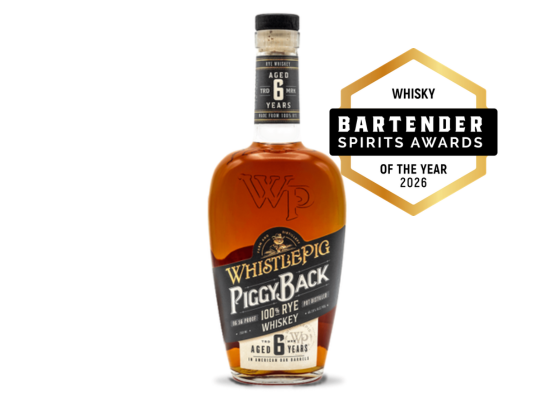
WhistlePig PiggyBack 100% Rye received 99 points and a Double Gold Medal at the 2026 Bartender Spirits Awards. It offers a recognizable premium name for guests while giving bartenders a versatile rye for seasonal cocktails.
It could anchor the Orchard Highball or Hojicha Manhattan while also functioning as a straightforward call in established classics. The wider question for managers is whether the bar needs several nearly interchangeable bourbons or whether one of those positions could be given to a rye with a more clearly defined cocktail role.
2. Sotol and Regional Mexican Spirits: Sotol La Higuera
Many bars have built substantial tequila and mezcal selections but have not created space for the broader range of Mexican spirits. Sotol can introduce herbal, earthy, and mineral character while giving knowledgeable bartenders a new story to tell.
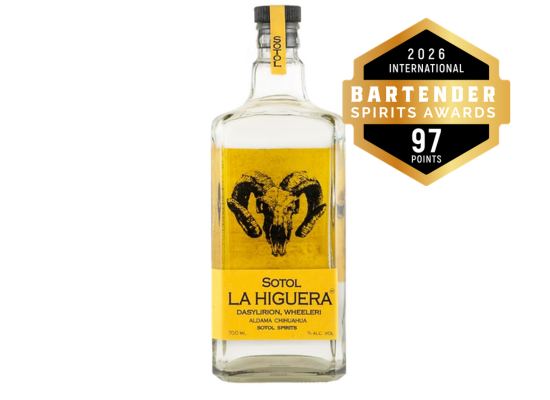
Sotol La Higuera earned 97 points and a Double Gold Medal in 2026. It can be presented as an exploratory neat pour, included in a tasting flight, or used selectively in a Martini-style drink, Highball or split-base cocktail.
This should not be listed simply to make the back bar appear more obscure. Staff needs to understand how sotol differs from tequila and mezcal, how to describe it without overcomplicating the conversation, and which guest is most likely to appreciate it.
3. Jamaican Rum: Monymusk Plantation MSR 2007
Rum deserves more than one white mixing bottle and one commercially familiar dark label. Jamaican rum, in particular, can provide the aromatic intensity needed for cold-weather drinks without forcing the entire menu into whiskey territory.
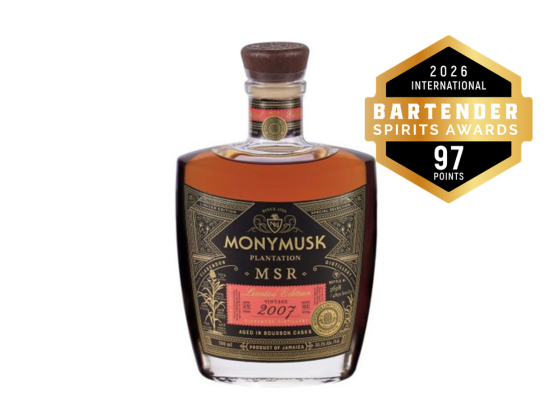
Monymusk Plantation MSR 2007 received 97 points and a Double Gold Medal. It offers the depth required for a premium sipping position and could support a serious rum-led Old Fashioned or another minimal, spirit-forward serve.
A mature Jamaican rum also gives the team an opportunity to discuss production, maturation and provenance in much the same way it would present a whisky. The bottle should not be hidden inside a heavily modified cocktail. Its character needs to remain visible.
4. Indian Single Malt: Godawan Fruit & Spice Artisan Whisky
Fall is a useful time to reconsider the geography of the whisky selection. A back bar containing numerous Scotch and American whiskies can still feel surprisingly narrow if it leaves no space for emerging whisky-producing countries.
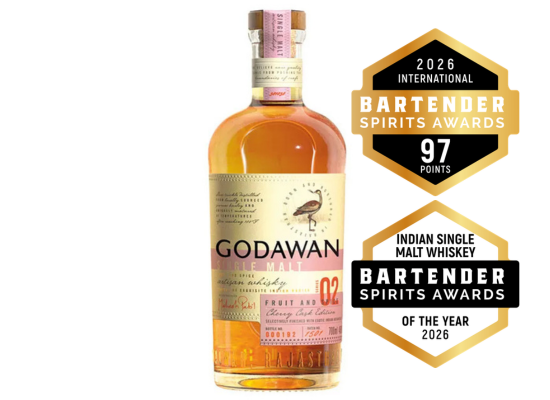
Godawan Single Malt Fruit & Spice Artisan Whisky, produced in India, won 97 points and a Double Gold Medal. It gives the bar both a premium pour and a point of discovery for experienced whisky drinkers looking beyond familiar regions.
An Indian single malt can work particularly well in a guided flight or as a recommendation for guests who usually order fruit-led malt styles. If used in a cocktail, the construction should remain restrained enough to preserve the identity that justified listing it.
5. Pistachio Liqueur: Zanin Pistachio Liqueur
Liqueurs often occupy space on the back bar without having a clearly defined commercial purpose. The fall reset is a good time to remove bottles that rarely move and replace them with products that can support several parts of the program.
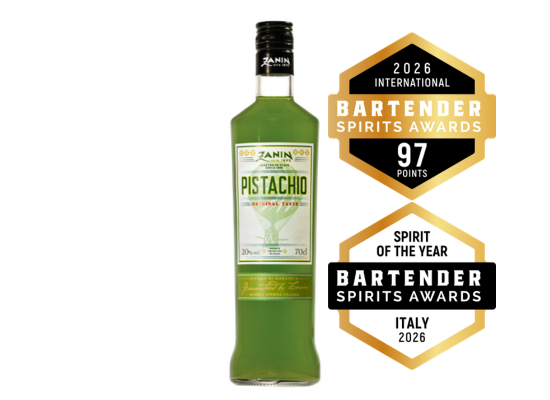
Zanin Pistachio Liqueur earned 97 points and a Double Gold Medal at the 2026 competition. Pistachio has immediate applications across coffee cocktails, aged-spirit sours, after-dinner drinks and lower-alcohol serves.
The danger is sweetness. A pistachio liqueur should be treated as both a flavoring and a sweetening agent, with the remainder of the recipe adjusted accordingly. Coffee, salt, aged rum, Cognac, tequila and bitter modifiers can all help provide structure.
A bottle like this earns its place when it supports more than one drink and can also be sold as an optional modifier or after-dinner pour. If it appears only in a complicated seasonal special that sells twice a week, it becomes another expensive decoration.
Competition results can help managers identify products that have performed strongly under professional evaluation. They should inform the listing decision, not replace it.
Before bringing in any award-winning bottle, the bar still needs to consider local availability, wholesale price, pour cost, distributor support, menu compatibility, and the ability of the team to sell it.
A 97-point spirit with no defined role may move more slowly than a less decorated product that guests recognize and bartenders recommend confidently.
The right question is not, “How many winners can we add?” It is, “Which winner solves a real need in this program?”
The fall menu does not exist in isolation. Drinks introduced in September and October will soon be tested by corporate bookings, private events and the holiday rush.
Managers should already know which cocktails can be batched, which can be adapted for group service and which will become difficult at volume. A seasonal drink might receive a more festive name or garnish in December, but its production system should already be established.
Punches, pre-diluted stirred drinks, sparkling cocktails and premium alcohol-free serves can all work well for group occasions. They are most profitable when the yield, portion cost and service method have been calculated before the bookings arrive.
Trying to develop a separate, high-prep holiday menu in late November usually adds pressure at exactly the point when consistency matters most.
The drinks industry has always been good at becoming bored with an idea just as the customer is discovering it.
Bartenders may be tired of the Espresso Martini, but guests are still ordering it. The team may be fascinated by savory ferments, while the person at the bar wants tequila, lime, and something spicy. A beverage director may want to remove every recognizable drink from the list, but familiarity is often what gives guests the confidence to explore.
A strong menu should make space for both sides. There should be dependable drinks that generate volume and more adventurous drinks that move the program forward. The popular cocktail helps fund the experiment.
The fall reset is therefore not a competition to see which bar can assemble the most obscure ingredients or complicated techniques. It is an opportunity to look carefully at what guests are ordering, what bartenders can execute, and what actually produces profit.
Creativity still matters. But the most accomplished bar menus are not built to demonstrate how much the team knows. They use that knowledge to give guests a better night—and give the business a stronger one too.
Also Read:
The Daycap Economy: Why Earlier, Lighter Drinking Is Changing The Bar Business
How Highball Culture Is Reshaping Bar Programs Across The United States
Why Flavoured Tequila Is Dominating Cocktail Menus