Educating Bartenders Worldwide.
By Beverage Trade Network
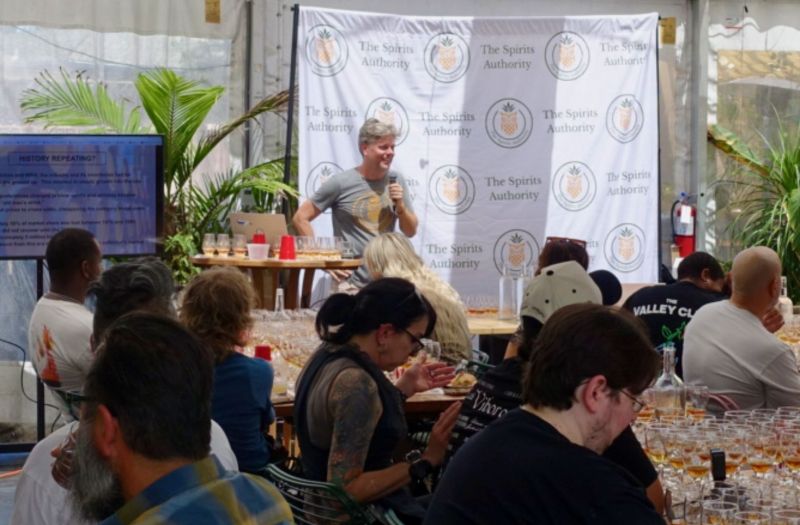
A great cocktail can win a guest’s attention, but a successful bar needs the skills, systems, and commercial judgment to keep that guest coming back. Kevin Denton Rex’s career spans these connected demands, from experimental cocktail development at New York’s WD-50 to spirits education and brand strategy at Pernod Ricard USA. His work helping reimagine BarSmarts brought that experience into bartender training, connecting product knowledge with the practical demands of hospitality. Now, as Director of The Spirits Authority, he brings his background in beverage operations, education, and experiential marketing to the challenges facing drinks professionals and businesses. For bartenders and bar managers, his experience offers a valuable perspective on how creativity translates into consistent service, informed recommendations, and stronger commercial decisions. In this interview, Denton Rex discusses the gaps in bartender education, the true cost of cocktail innovation, what operators need from spirits brands, and the skills that can turn a job behind the bar into a lasting career.
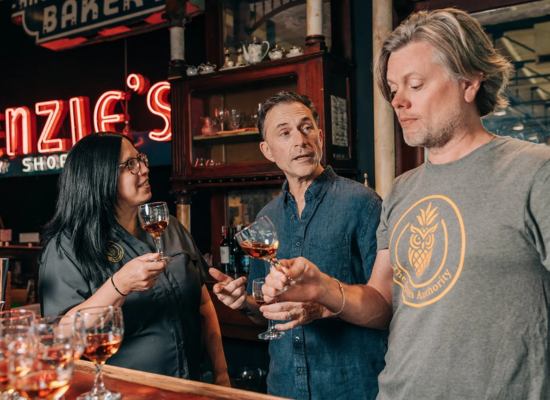
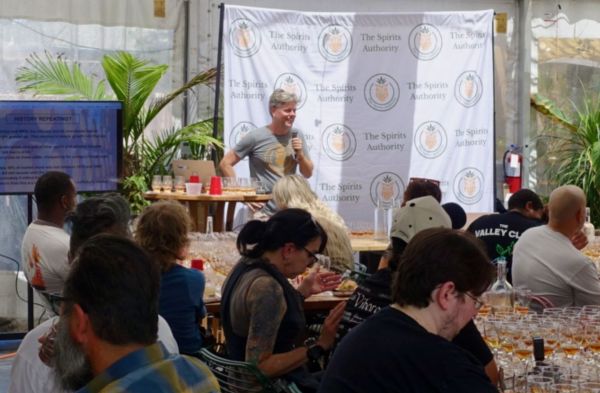
Source: The Spirits Authority
The trajectory has been the same: learn as much as possible wherever I was and then look for opportunities to keep growing. At a certain point, I found that the best way to learn is to teach others. With The Spirits Authority, we are trying to educate bar professionals in a way that is more equitable, focused on actionable curricula, and utilizing technology to capture bartender sentiment along the way.
Chef Wylie gave the bar and kitchen wide latitude to chase down ideas. Each idea (hopefully) came with a “wink and a smile.” In reality, he was very rigorous about every idea being delicious and “delivering” on your concept. Suppose you said “pears” in the description; the cocktail needed to taste like the most pear thing imaginable. Subtlety was not in the brief; it was about delivering a delicious and thought-provoking drink every time.
There’s a huge gap in training across the board. Post-pandemic, there was a significant loss of experienced trainers. This was the impetus for revamping the program. BarSmarts Online is a great equalizer in that I tried to reach folks where they learn: short-form video, bite-sized programs, and in both English and Spanish.
There are some that are easy to measure and some that require a bit more work on the part of the operator. Regular testing on cocktails, how you would recommend certain spirits on the back bar, how you describe food items- these are table stakes. I think looking at a team member’s sales mix to see if they are relying on one or two items to carry all their sales? That’s a problem. “Secret shopping” with your friends to see how team members behave when they think no one is looking. Hospitality is a muscle that needs exercising, and it’s incumbent on the trainer to “review the tapes” to see where improvement is needed. I also believe strongly in the creation of novel experiences to reinforce learning. Team trips, tastings, and outside-the-box fun with a learning component become a much stronger memory than a lineup discussion.
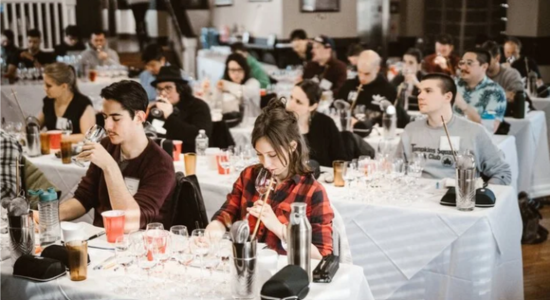
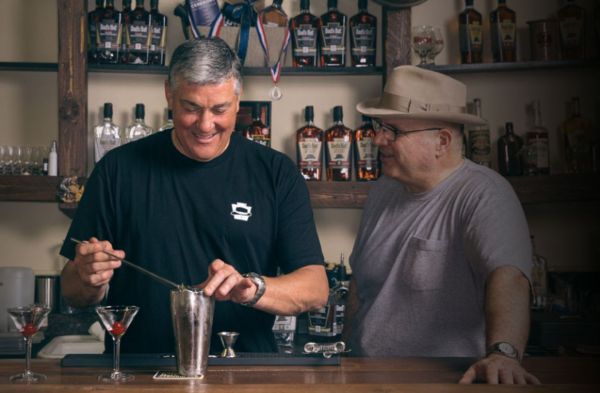
Source: The Spirits Authority
This is where our “Authority” series shines. We choose what we consider 12 benchmark brands that allow us to teach the category adequately. Bartenders evaluate these brands blind; we collect all the sensory data through live polling. We identify the “why” before we reveal the brands- why is this a great exemplar of a particular style, or ingredient, or proof? Then, when we reveal, we are making real-deal conversion. This is what brands kill for. I feel confident that because of our sessions, we are responsible for a measurable uptick in sales for brands.
A lack of passion- if team members aren’t excited about recommending most things on the menu, that apathy becomes contagious. Orderliness behind the bar is a big red flag for me. If you don’t treat your workspace with care and pride, then I can’t expect much from the rest of the experience.
Suppliers, generally speaking, with a few exceptions, don’t fully understand the variety of on-premise accounts and what each needs. There is an understandable desire to flatten all bars into a homogeneous “middle” to right-size investment. Since on-premise is about 30% of total sales (give or take), it gets similar total investment. There’s also the difficulty in proving ROI on bartender advocacy. The quarterly results that C-suite and investors rely upon to understand the health of brands are blind to the long-term effects of trade advocacy. Bartenders build brands; they can also crash brands. This is happening in real time, and once you’ve lost the bartender, it’s really hard to get them back.
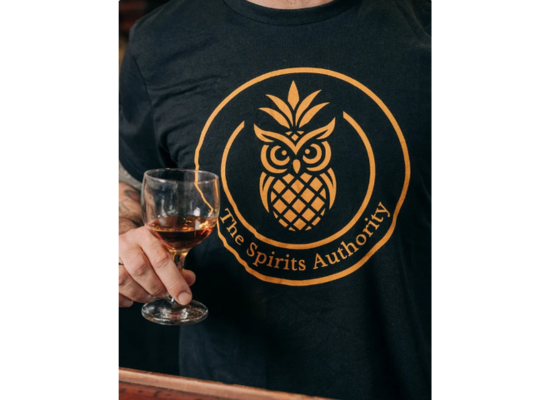
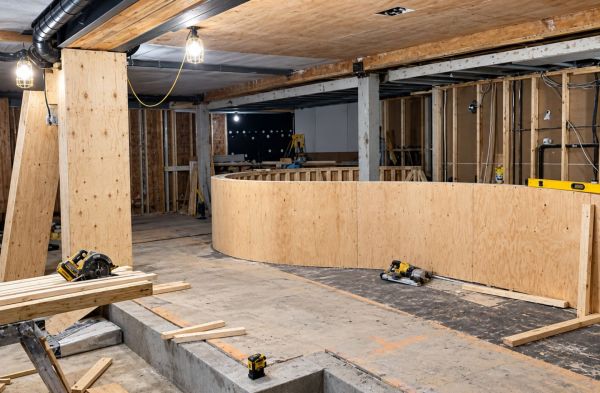
Source: The Spirits Authority
I think it’s a combination of three things: is it additive to the intent of the bar; is there consumer pull; and can my team tell a great story about it. If you have these three in some combination, you’ll have success. And if you have a “shelf dog,” be dynamic enough to move it along.
Making great drinks is the smallest percentage of what you will do in these roles. For anyone hoping to make the jump, I would offer three very important lessons.
1. When anyone reaches out, respond as quickly as possible, even if to say, “I received this; give me a day to respond.” If you want to be in the press, this is paramount because deadlines are tight.
2. "You are not the star, but people are paying attention to what you do." Platform and support folks coming up below you rather than yourself. Be fair and aware. I never knew how many eyes were on me at all times. This is a gossipy industry- be on your best behavior while still having fun.
3. Take your health seriously.
I mean, I’ve failed so many times; where do I begin? Most of my biggest mistakes were ego-driven. Most of the things I love about bars, cafes, and restaurants have nothing to do with how great the cocktails are, but how I feel when I’m in the place. Understand the occasion where your venue shines, ensure that you are being real about what’s working and what isn’t, and do everything with intent as your guide. I have been so lucky, and I’ve worked really hard to get where I am today, but none of it would have happened without other people. So be mindful of that when success comes and pay it back!
Also Read:
How Bartenders Can Better Understand and Use Pennsylvania Rye Whiskey
Behind the Vibe: How Three Dots and a Dash Balances Immersion, Efficiency and Profitability
The Most Important Skills for a Bartender, According to Top Bartenders