Educating Bartenders Worldwide.
By Beverage Trade Network
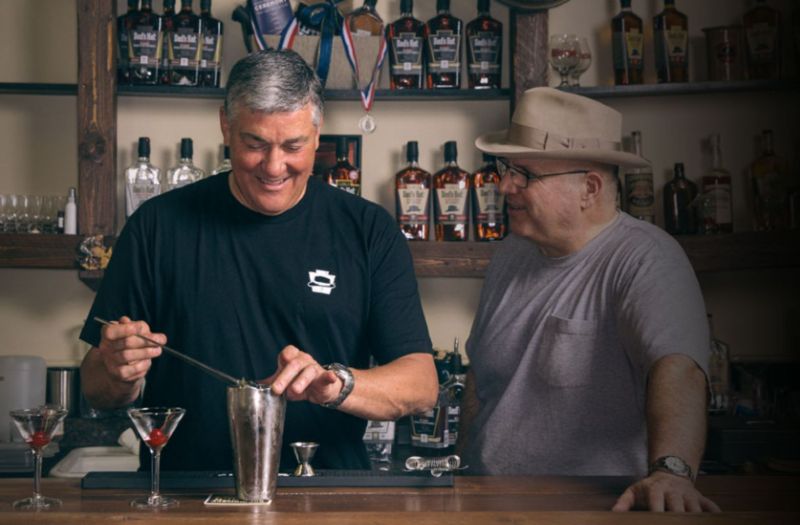
Pennsylvania rye brings spice and a malt backbone to the cocktail glass, giving bartenders plenty to work with when building an Old Fashioned, Manhattan, or a signature drink. Understanding that character can help them choose
Pennsylvania Rye whiskey’s spicier profile balances well with the sweetening components in traditional cocktails like Old Fashioneds and Manhattans. And its distinctive flavor stands up against big flavors when bartenders want to experiment – it doesn’t get washed out.
Pennsylvania Rye, at its heart, is spicier and maltier than its counterparts. The higher rye content in the mash bill, combined with a larger malt content, makes sure of that. Kentucky ryes typically have corn, and in turn are slightly sweeter and less spicy. Indiana ryes are typically made with less malt, so the spice lingers on the finish longer. Pennsylvania ryes are situated right in the middle with spice notes up front and a strong malt backbone to smooth out the finish.
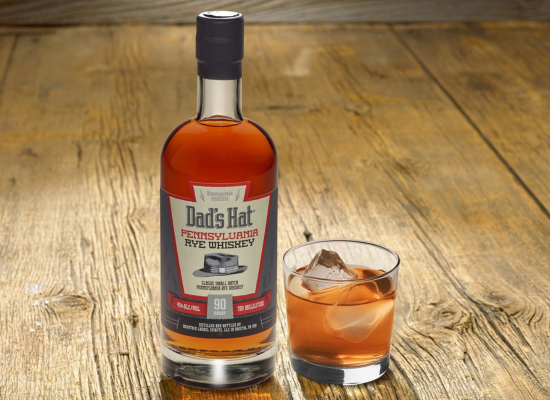
Dad’s Hat Pennsylvania Rye Whiskey brings distinctive spice and a malt backbone to classic cocktails such as the Old Fashioned and Manhattan.
I tend to stay very traditional with Manhattans – just get a good sweet vermouth (don’t skimp) and maybe play with the bitters to customize.
The ideal cocktail to showcase a Pennsylvania Rye is an Old Fashioned. The elevated spice balances the sweetness in the cocktail perfectly. Black Manhattans would be a close second; the spice and malt pair beautifully with the herbal notes from the amaro.

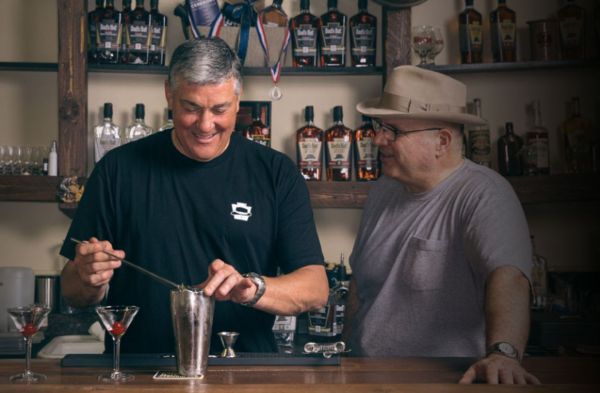
Image: Herman Mihalich and John Cooper
That is the beauty of rye; its distinctive flavor stands up well
If a cocktail is being adapted to rye that originally called for another type of whiskey, bartenders might need to make a couple of accommodations. Secondary ingredients that don't contain spice might need to be increased to keep the same balance with the spiciness of the rye. An ingredient that is spice-forward, like Angostura bitters or Allspice Dram, might want to be reduced slightly. Generally, when using rye, bartenders don't have to be as wary with the use of sweet ingredients. Rye has less of a worry of being overshadowed compared to bourbon in that regard.
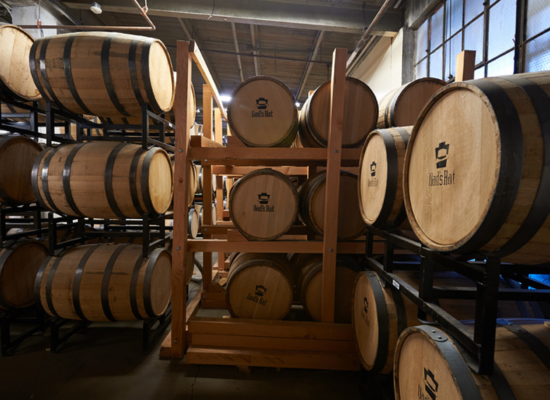
Bartenders would benefit from knowing the story behind their favorite brands. Guests always appreciate learning more about the product they are ordering, especially if it is local. Crafting cocktails can be easier with more knowledge about the ingredients and the process used to create them. Distilleries can get valuable feedback from bartenders in multiple areas. They are the front line of guest feedback on the product as well as perceptions of labeling and design. Distilleries should keep bartenders and backbars in mind when designing their bottles. Feedback in those areas helps both sides.
Pennsylvania rye whiskey offers bartenders a distinctive combination of bold spice and a smooth malt backbone, making it a versatile choice for classic cocktails and modern creations. As Herman of Dad’s Hat Pennsylvania Rye Whiskey explains, understanding the spirit’s flavour profile helps bartenders balance ingredients, create more expressive drinks, and introduce guests to the character of regional whiskey styles. Stronger collaboration between bartenders and distillers can further strengthen this connection, bringing practical feedback, product knowledge, and storytelling together to improve cocktails, showcase local spirits, and deliver more engaging guest experiences.
Also Read:
Behind the Vibe: How Three Dots and a Dash Balances Immersion, Efficiency and Profitability
Bar Operations Insights from Danny Shapiro: Service, Sales and Smarter Menus
How Highball Culture Is Reshaping Bar Programs Across The United States