Educating Bartenders Worldwide.
By Beverage Trade Network
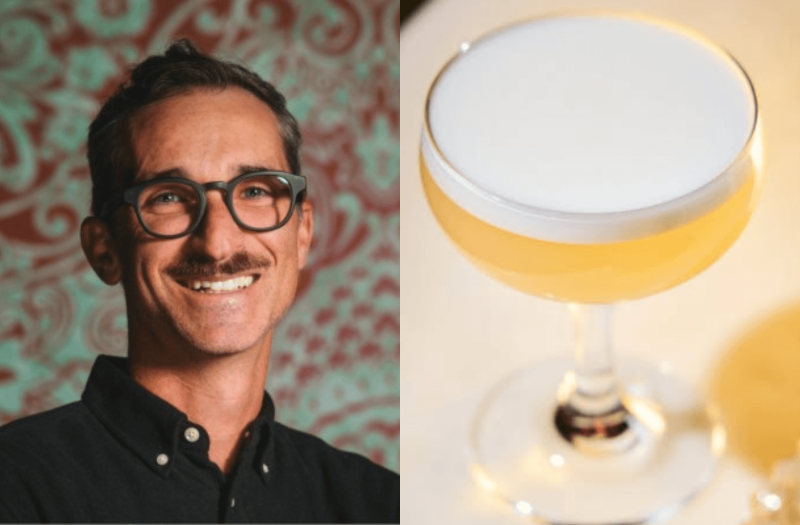
Good bartending requires more than knowing how to make cocktails. Bartenders must control the flow of service, understand the products behind the bar, read different guests, and create an environment that makes people want to return.
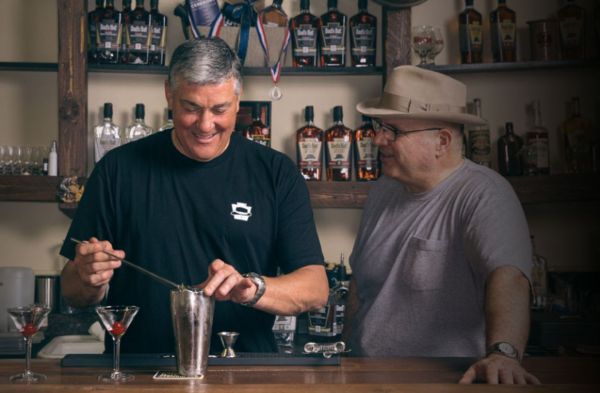
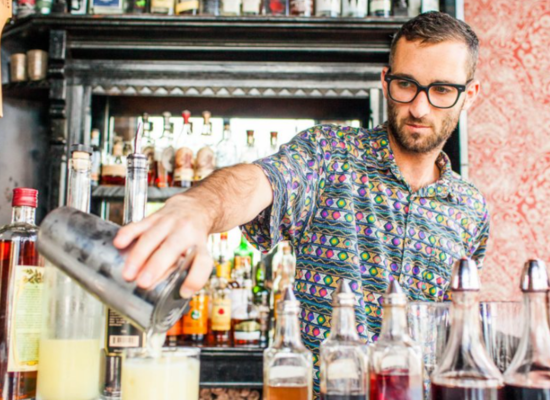
Danny Shapiro initially moved to Chicago to pursue comedy writing at Second City, but the energy of the city’s cocktail renaissance led him in a different direction. He began as a barback, progressed to bartending, and ultimately became a bar owner with Scofflaw Group.
In this interview, Shapiro shares practical insights for working bartenders on hospitality, product knowledge, upselling, menu development, and creating memorable guest experiences.
I moved to Chicago to do comedy writing for Second City, but found myself drawn to the hospitality world. The cocktail renaissance was in full swing, and the energy was contagious. First, I started barbacking, then bartending, and ultimately owning bars.
Danny Shapiro
It started with the bartenders; I admired how they controlled the flow of service, how they developed relationships with guests, and how much they knew about spirits. I knew it would be a worthy challenge, and I was eager to find my own path in it.
Shapiro’s answer highlights three fundamental parts of professional bartending: controlling service, building relationships, and understanding spirits. Speed and technical ability matter, but bartenders also need to read the room, manage several guests at once, and remain present throughout the experience.
Patience, warmth, attentiveness, coordination, knowledge, and a good palate.
These skills affect both the guest experience and the commercial performance of a bar. Patience and warmth make guests feel welcome, while attentiveness helps bartenders understand what each person wants. Coordination supports faster and more consistent service, while knowledge and a good palate build trust in every recommendation.
Someone who is attentive, considerate, kind, and knowledgeable.
For Shapiro, a good bartender is not defined by technique alone. Hospitality remains central to the role. Bartenders who are considerate and attentive can adjust their approach to different guests, occasions, and levels of drinks knowledge without making anyone feel overlooked or intimidated.
Savory cocktails, culinary cocktails.
The growing interest in savory and culinary cocktails gives bartenders more room to work with ingredients and techniques traditionally associated with the kitchen. Herbs, spices, vegetables, fermentation, acidity, and umami-driven flavors can give a drinks menu greater depth while creating new food-pairing possibilities.
For bartenders, the key is to keep the drink balanced and understandable. Culinary creativity should improve the drinking experience rather than making a cocktail unnecessarily complicated.
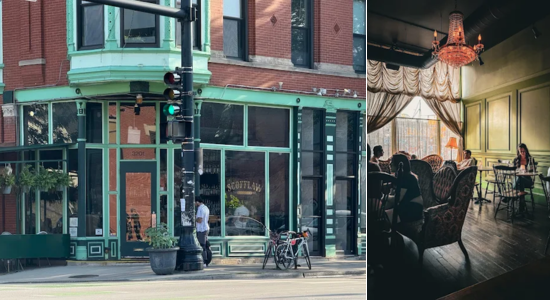
Scofflaw Group is a Chicago-based hospitality company known for creating distinctive, beverage-driven neighborhood concepts. Its venues combine thoughtful cocktail programs with approachable service, strong individual identities, and a focus on building lasting relationships with guests. Led by experienced hospitality professionals, including Danny Shapiro, the group’s portfolio includes Scofflaw and Drama Club, reflecting its commitment to creative drinks, genuine hospitality, and memorable bar experiences.
Gin because it's the most versatile in cocktails.
Gin gives bartenders considerable creative freedom because its botanical character can work across many different cocktail styles. It can form the foundation of refreshing highballs, citrus-led sours, spirit-forward classics, and more savory or culinary drinks.
Understanding how different styles of gin interact with citrus, herbs, bitters, fortified wines, and other ingredients can help bartenders create more precise and balanced cocktails.
Showing what we do on social media.
Scofflaw uses social media to give potential guests a sense of what they can expect before arriving. Its content puts drinks, atmosphere, and people at the center, communicating the personality of the bar rather than relying only on direct promotional messages.
This offers bartenders and operators a practical social media lesson: document the experience already happening inside the venue. Show the cocktails, introduce new menu items, capture the atmosphere, and give followers timely reasons to visit. Consistent visibility can turn a bar’s everyday activity into an ongoing invitation.
I instruct them to familiarize themselves with all products that we carry and to have a few go-tos for recommendations to guests.
Effective upselling begins with preparation. Bartenders should understand the spirits, cocktails, and other beverages available and have several recommendations ready for different tastes and price points.
Rather than simply encouraging a guest to spend more, the bartender can recommend a better-fit spirit, introduce another style of cocktail or guide the guest toward something they may not have considered. When the recommendation is relevant and informed, upselling becomes part of good hospitality.
Bartenders can prepare several go-to recommendations before service:
- One option for someone who wants something light and refreshing
- One for a guest who prefers a spirit-forward drink
- One for someone interested in trying something unusual
- One premium option with a clear explanation of its value
- One drink that pairs particularly well with the food menu
An ideal bar drinks menu has a range of profiles. The profit metrics have changed with the rise in labor, so the margins have to be bigger than pre-pandemic.
A strong drinks menu should provide different ways into the program. It can include bright and refreshing cocktails, richer spirit-forward drinks, familiar classics, and more adventurous seasonal or culinary options. The objective is not to create the longest possible menu, but to ensure that every drink has a clear purpose and audience.
The Slippery Slope cocktail menu puts Shapiro’s idea of offering “a range of profiles” into practice. Guests can choose a classic Margarita, a richer Cherry-Vanilla Old Fashioned, the bright and fruit-forward Mirage, or the tropical gin-based Tradewind. Frozen Passionfruit Margaritas and Blue Hawaiians add fun, high-energy options, while the rotating Party Punch gives returning guests something new to discover.
The menu remains concise and easy for bartenders to explain and execute. Short ingredient descriptions help guests understand each drink quickly, while consistent pricing makes the decision easier. Tequila, whiskey, vodka, gin, and rum are represented across citrus-led, tropical, fruity, and spirit-forward styles without making the menu unnecessarily complicated.
Shapiro also points to an important operational reality: rising labor costs mean bars need stronger margins than they did before the pandemic. When developing cocktails, bartenders and bar managers must consider ingredient costs, preparation time, labor requirements, waste, and menu pricing together. A creative cocktail that is too slow to produce or uses ingredients with excessive waste may not deliver an adequate return.
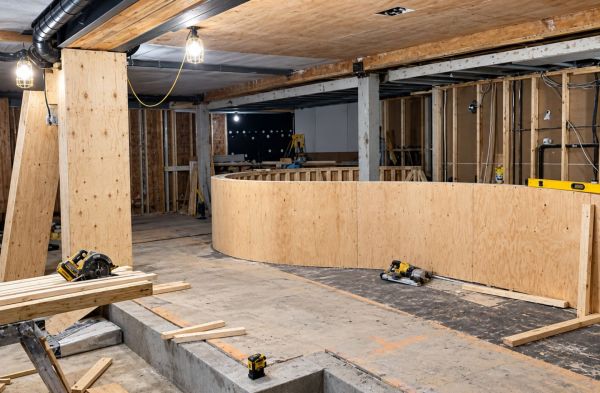
We had a regular named Simone and a regular named Bonny when we first opened. They used to sit at opposite ends of the bar and were strangers to one another. But, over time, they realized they had the same favorite cocktail (Aviation) and eventually started taking turns sitting at each other's end of the bar. Now they're really good friends and coordinate some of their nights out together. They actually recently came to check out our new bar (Drama Club) together.
This story demonstrates the wider role a neighborhood bar can play. Bartenders do not simply make and serve drinks; they help create an environment where relationships and communities can develop.
Recognizing regulars, remembering their preferences, and making thoughtful introductions can transform occasional customers into loyal guests. That sense of belonging is difficult for competitors to reproduce and can become one of a bar’s strongest advantages.
Meeting all sorts of people, making memories for them.
Shapiro’s approach can be summarized through several practical lessons:
- Develop patience, warmth, and attentiveness alongside technical ability.
- Learn every product behind the bar and prepare reliable recommendations.
- Use product knowledge to upsell through better guidance rather than pressure.
- Build a menu with enough variety to serve different preferences.
- Keep the drinks list concise enough to explain and execute consistently.
- Consider preparation time, waste, labor, and margins when developing cocktails.
- Use social media to show the drinks, people, and atmosphere that define the bar.
- Recognize regulars and create an environment where relationships can develop.
- Remember that bartending is ultimately about people and the memories created for them.
Shapiro’s perspective shows that the best bartenders combine technical ability with commercial awareness and genuine hospitality. They know their products, understand the needs of the business, and never lose sight of the person sitting across the bar.
Also Read:
Behind the Vibe: How Three Dots and a Dash Balances Immersion, Efficiency and Profitability
The Fall Menu Reset: Are You Building Cocktails for Your Guests—or for Other Bartenders?
How Highball Culture Is Reshaping Bar Programs Across The United States