Educating Bartenders Worldwide.
By Beverage Trade Network
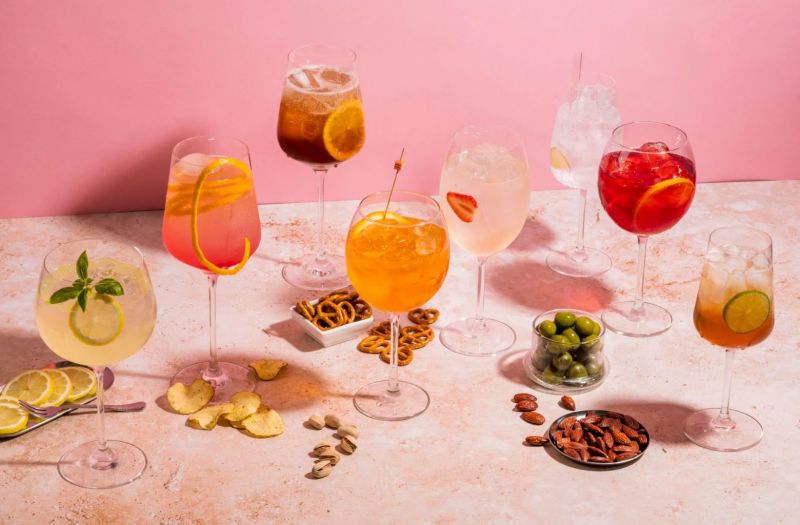
For generations, the commercial rhythm of the bar business has been built around the night. Guests finished work, headed for drinks, moved into dinner and, for many venues, continued drinking well beyond it. Yet one of the most interesting shifts taking shape in 2026 is happening several hours earlier, as the traditional nightcap gives way to something lighter, shorter and increasingly valuable to operators: the daycap. The change is visible in crowded terraces, afternoon spritzes, extended lunches and aperitivo sessions that begin well before sunset. Rather than abandoning alcohol altogether, many consumers are becoming more selective about when they drink, how much they consume and what kind of experience they want from the occasion. Bacardi's 2026 Cocktail Trends Report describes this emerging “Afternoon Society” as a move towards earlier socialising and lighter indulgence, with 51% of younger legal-drinking-age consumers surveyed in France and 34% in the United States reshaping their routines around earlier evenings. The report places spritz culture, smaller serves and more intentional drinking at the centre of the shift. For bars, this is more than another cocktail trend. If managed correctly, it could create an entirely new revenue window between lunch and the conventional evening rush.
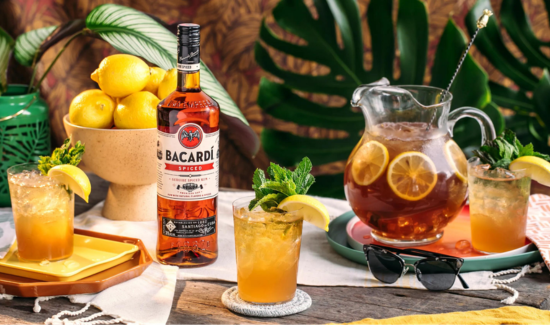
Source: Bacardi
Moderation has become one of the defining forces affecting beverage alcohol, but interpreting it simply as consumers rejecting alcohol misses a more commercially interesting development. NIQ's 2026 hospitality outlook describes moderation increasingly as a search for balance rather than abstinence, with guests looking for lower- and no-alcohol options while still expecting flavour, craftsmanship and a genuine sense of occasion when they go out.
While younger consumers show particularly strong moderation behaviours, many are regulating consumption through temporary abstinence, lower frequency or reduced intensity rather than giving up drinking permanently. Across the 15 markets surveyed by IWSR, the proportion of light drinkers had increased from 33% in April 2023 to 37% in March 2025, illustrating how moderation can alter drinking patterns without eliminating the social drinking occasion itself.
That distinction matters to bartenders and operators because a guest who no longer wants four cocktails at 10 p.m. may still happily have one beautifully presented spritz at 4.30 p.m., followed by a small plate and perhaps another drink with dinner. The opportunity therefore lies in understanding that consumption is not simply shrinking; in many cases, it is being redistributed across different times, formats and occasions. The successful bar of the next few years may consequently need to compete for more moments across the day, rather than concentrating almost all of its energy on the traditional evening peak.
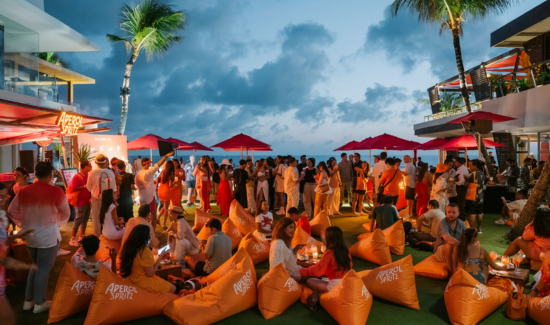
Source: Foodies
Few drinking traditions fit this change as naturally as aperitivo. At its best, aperitivo is neither a full drinking session nor simply a discounted happy hour. It is a social ritual that sits comfortably between the working day and dinner, combining a refreshing drink with light food and conversation without demanding that alcohol become the main event. The format also gives bartenders enormous flexibility. A menu can move naturally from an Aperol Spritz or Campari-based serve to MARTINI Bianco, Lillet Blanc with tonic, vermouth and soda, sherry, lighter beers or alcohol-free aperitifs without making any guest feel as though they have stepped outside the occasion. Aperol's familiar 3-2-1 formula of Prosecco, Aperol and soda remains a benchmark for the category because it is recognizable, visually distinctive and straightforward to execute during busy service.
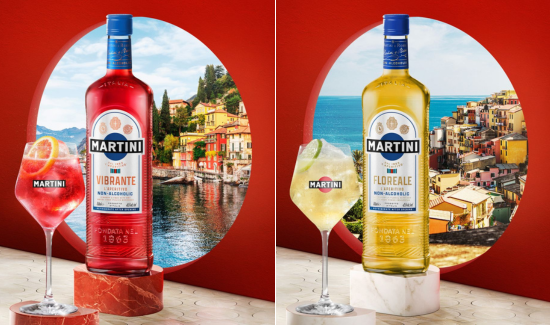
Brands are clearly leaning further into this territory. MARTINI now positions a range of Bianco, Fiero and non-alcoholic Floreale and Vibrante spritzes around daytime aperitivo, while its current activations include TERRAZZA MARTINI pop-ups in cities including Madrid, Milan, New York and Berlin. Lillet, meanwhile, continues to build its Blanc, Rosé and Rouge portfolio around sparkling and long aperitif serves, demonstrating how wine-based aperitifs can participate in an occasion traditionally dominated by bitter Italian liqueurs. What operators should borrow from aperitivo, however, is not simply an Italian aesthetic. The more important lesson is the architecture of the occasion: an identifiable time of day, a defined drinks style, complementary food and a social reason to visit.
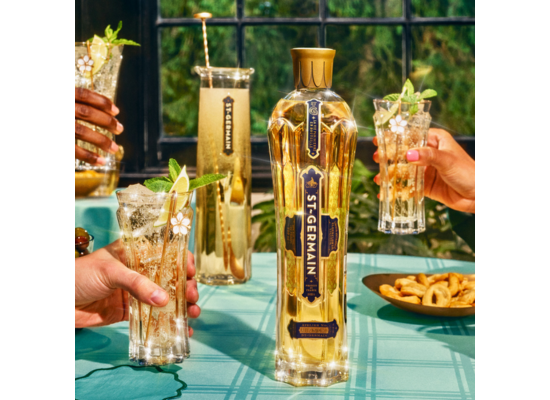
Source: Elle Canada
The Hugo Spritz is one of the clearest examples of the shift toward lighter afternoon drinking in 2026. Made with sparkling wine, soda, elderflower, mint and citrus, it delivers freshness, fragrance and easy drinkability, sitting between a glass of wine and a full cocktail. St-Germain’s version blends elderflower liqueur with sparkling wine and soda, finished with mint and lime, reinforcing its position as a simple, refreshing spritz-style serve.
Its rise has been especially strong in the US, where sales reportedly tripled in a single quarter in 2026, alongside a surge in St-Germain. While Aperol still dominates, the Hugo’s rapid growth shows strong demand for variation within the spritz category. The key takeaway is not competition with Aperol, but the fact that consumers now understand the spritz format. This allows bartenders to innovate freely with elderflower, limoncello, vermouth, amaro, and seasonal fruit, while major brands continue investing in the broader aperitivo occasion.
The most important question for a bar operator is not whether spritzes are fashionable, but whether changing drinking behaviour can improve the economics of the venue. For restaurants, hotel bars, rooftops and all-day venues, the period between lunch and dinner has historically been difficult to optimise. Tables may be available, bartenders are preparing for evening service, and guest traffic can fall sharply before the after-work crowd arrives. A successful daycap strategy gives consumers a specific reason to occupy that space.
The solution does not have to be aggressive discounting. An aperitivo menu running from 3 p.m. until 6 p.m. might combine a Hugo Spritz, Aperol Spritz, Lillet and tonic, or MARTINI Fiero Spritz with olives, oysters, charcuterie, conservas or small plates. A hotel could build an afternoon terrace ritual, while a neighbourhood bar could position the occasion around early dates, post-work drinks or weekend socialising. The attraction lies in building value around the experience rather than the amount of alcohol consumed. A table that orders two spritzes and several plates during an otherwise quiet hour can be commercially useful even if the guests never progress into high-ABV cocktails. If some remain for dinner, the daycap becomes the opening transaction in a much larger food-and-beverage journey.
The better commercial question is therefore no longer, “How do we persuade guests to drink more?” It is, “How do we generate more valuable occasions across the trading day?”
Source: MARTINI
One mistake would be to simply hand guests the full evening cocktail menu at four in the afternoon. A successful daycap programme should feel deliberately designed for its time and occasion, with freshness, speed and choice built into the menu. An effective structure could begin with alcohol-free aperitivo options before moving into very low-ABV drinks, spritzes, wine-based cocktails and finally a small selection of full-strength classics. This creates an informal ABV ladder, allowing people with very different drinking preferences to share the same experience without forcing the table into one consumption style.
Brands such as MARTINI have already expanded this logic into alcohol-free aperitivo through Floreale and Vibrante, which can be built into spritz-style drinks with soda, citrus, or fruit. This matters because zero-proof and alcoholic drinks do not need to occupy separate worlds; the strongest modern menus can make both visually and socially equivalent. The drinks themselves should also be operationally intelligent. Cross-utilising sparkling wine, soda, tonic, citrus, herbs and aperitifs across multiple serves can help keep the menu focused, while batched components and simple builds allow bartenders to deliver drinks quickly during busy terrace sessions. Premium glassware, abundant ice, fresh herbs and bright garnishes can then provide visual impact without requiring the elaborate preparation associated with many evening signature cocktails.
The daycap economy signals a structural shift in how and when people drink, extending far beyond the spritz. Vermouth, sherry, pét-nat, wine-based cocktails and alcohol-free aperitifs all share the same opportunity: a refreshing, sociable experience designed for earlier hours. The defining factor is not the recipe but the ritual: light, expressive drinks that invite conversation before dinner. This opens the door for bartenders to reposition overlooked categories, from vermouth long serves to sparkling wine-led cocktails, as central players in daytime hospitality. However, earlier trading is not a shortcut to profit; it requires careful testing, operational efficiency and a clear understanding of local behaviour. Poorly executed, it risks discount dependency and diluted brand value. Well executed, it creates a new revenue layer built on experience, not volume. Ultimately, the bar business is no longer defined by the night alone. As drinking becomes earlier, lighter, and more intentional, the real opportunity lies in designing compelling reasons for guests to gather across the day. The future belongs to venues that can own not just the night, but the afternoon as well.
Header image source: The Telegraph
Also Read:
How Highball Culture Is Reshaping Bar Programs Across The United States
Why Flavoured Tequila Is Dominating Cocktail Menus
How Innovative Gins Are Driving On-Trade Growth in Modern Cocktail Bars