Educating Bartenders Worldwide.
By Beverage Trade Network
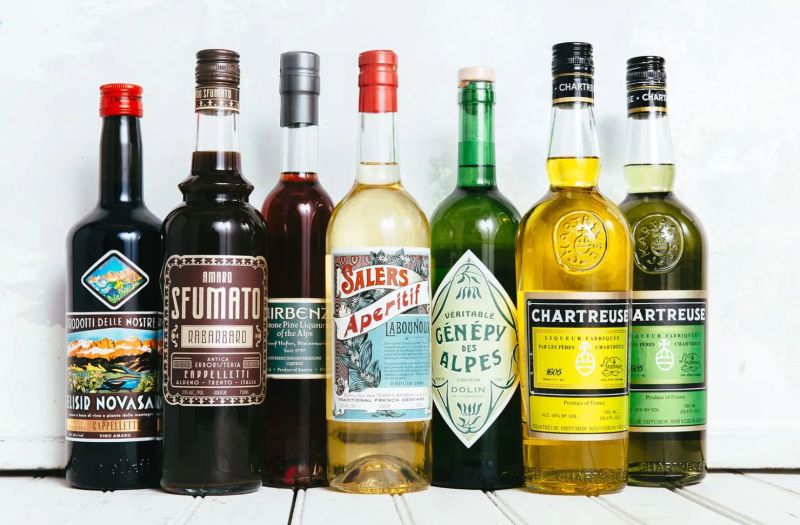
For years, Alpine drinking culture belonged mainly to mountain villages, ski resorts and after-dinner rituals, expressed through intensely herbal liqueurs, bitter digestifs and warming drinks that seemed inseparable from snow, timbered chalets and high-altitude tradition. Today, that flavour world is moving decisively into contemporary cocktail bars, where génépy, gentian, pine, mint, sage, wormwood and other mountain botanicals are being reworked into spritzes, highballs, Martinis and modern après-inspired serves. Food & Wine recently identified Alpine flavour as one of the year’s most visible drinks trends, noting the spread of Alpine syrups, sodas, liqueurs and bar concepts. At the same time, renewed attention around génépy has been helped by bartenders seeking alternatives to scarce Chartreuse and by a wider appetite for bitter, botanical flavours.
For operators, the opportunity goes well beyond putting a pine garnish on a seasonal cocktail. Alpine drinking offers a framework for drinks that feel distinctive yet approachable, rooted in provenance yet compatible with fast, modern service, while opening up occasions for aperitivo, digestifs, lower-ABV drinking, and early-evening socialising. The challenge is not to recreate a ski lodge in the city, but to translate the freshness, bitterness, ritual and conviviality of mountain drinking into cocktails that guests genuinely want to order.

Source: Chartreuse
The first mistake is treating “Alpine” as one flavour, because it is better understood as a family of herbal, floral, bitter and resinous notes. Mint, sage and thyme provide freshness; gentian and wormwood contribute earthy bitterness; pine, spruce and juniper bring forest-like aromatics; while chamomile, citrus, honey, apple and pear can soften the profile and make it more immediately drinkable.
Génépy is a natural starting point. Dolin’s Génépi 1821, made around the Alpine Artemisia mutellina plant, offers floral and grassy character, while its Le Chamois expression presents another traditional mountain style. Chartreuse remains a powerful reference point, with Green Chartreuse combining herbaceous intensity with mint, pine sap, citrus, and bitter-tea notes that demonstrate how concentrated botanicals can still retain freshness.
Build a Back Bar, Not a Botanical Museum
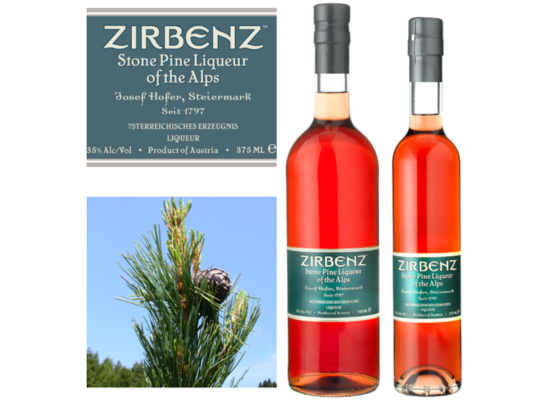
A modern Alpine program does not require twenty obscure bottles; a more useful approach is to choose a few products that perform different roles, then build around them with ingredients already moving through the bar. Start with one green herbal liqueur such as Dolin Génépi or Chartreuse, then add a bitter component such as Suze, whose gentian-led profile and citrus undertones work comfortably in tonics, spritzes and White Negroni-style drinks. For a darker register, Braulio brings the character of Bormio through a blend of herbs, roots and berries, while Austria’s Zirbenz, handcrafted by Josef Hofer from Arolla stone pine, gives bartenders a more resinous, forest-driven tool.
Bordiga offers another Italian route into génépy, drawing on the tradition of Alpine Artemisia, while Brooklyn producer Faccia Brutto provides a contemporary interpretation through Amaro Alpino, made with botanicals including spruce buds, chicory, rhubarb root and eucalyptus. The point is not collecting bottles for novelty, but creating a small flavour system that can work across several drinks.
Source: Zirbenz
The easiest way to introduce guests to Alpine ingredients is through forms they already recognise. A guest who has never heard of génépy still understands a Spritz, Highball, Negroni or Old Fashioned, so familiar structures can carry the more adventurous flavour. An Alpine Spritz might combine génépy, sparkling wine, soda and lemon, giving herbal complexity without sacrificing refreshment. A Mountain Highball can pair gin or light whisky with a restrained measure of Braulio or Suze, lengthened with tonic or soda, while a White Negroni variation can combine gentian bitterness with dry vermouth and a touch of génépy.
For richer service, whisky and aged brandy sit naturally beside pine, honey and darker amari. Zirbenz can be used sparingly with Scotch or aged rum, applications suggested by its importer, while Braulio can add cool herbal depth to stirred drinks. Coffee, cacao and hot chocolate also provide an obvious route into après-style drinking, particularly with Chartreuse or another concentrated herbal liqueur. The rule is straightforward: keep the structure familiar and let the Alpine ingredient provide the surprise.
Alpine ingredients are memorable because many are intense, which makes restraint essential. Pine, spruce, rosemary, sage and concentrated liqueurs can move quickly from aromatic to medicinal when several are stacked together. Instead of using forest flavours like conventional syrups, bartenders can introduce them through diluted tinctures, light cordials, herb-infused honey, aromatic sprays or very small liqueur measures. Lemon, grapefruit, green apple, pear, white peach and cucumber provide useful contrast, while honey, vanilla and cacao can round harder bitter edges. Carbonation is particularly effective because it lifts botanical aromas and lightens texture, helping Alpine flavours work naturally in highballs, tonics and spritzes. The best Alpine drink should feel refreshing first, complex second and recognisably mountain-inspired only as the guest continues drinking.
Source: SFGATE
For operators, Alpine culture is as much about timing as flavour. Après-ski works because it combines drinking with a recognisable social ritual, allowing city bars to create an early-evening occasion around lighter cocktails, shared food and conviviality rather than reserving their strongest programming for late-night trade.
That could mean a 4 p.m. to 7 p.m. Alpine aperitivo, a winter terrace menu, a Sunday afternoon session or a short list of herbal digestifs paired with cheese, charcuterie and chocolate. The visual language should remain restrained; guests do not need fake snow, skis hanging from ceilings and novelty goggles when the drinks, music, food and service already communicate warmth and mountain hospitality. The most effective interpretation of après is therefore not a theme night, but a drinking occasion with a clear mood, flavour identity and reason to visit the bar earlier.
Alpine ingredients can also make sense financially when they are treated as modifiers rather than costly base spirits. A small measure of génépy, Suze, Braulio or Zirbenz can transform a familiar drink and create a premium story without dramatically increasing liquid cost. Menu language matters just as much. “Gin, génépy, lemon, soda” may confuse an unfamiliar guest, whereas “juniper, wild mountain herbs, fresh lemon and sparkling soda” communicates flavour before technical knowledge is required. Producers can appear in the detailed description or staff explanation, creating discovery without turning the menu into an exam. Because these bottles can move between aperitivo spritzes, highballs, digestifs, hot drinks and food pairings, the same specialist inventory can generate revenue across several drinking occasions rather than remaining trapped in one signature cocktail. That flexibility is what can turn a fashionable flavour into a sustainable part of the beverage program.
Source: Liquor
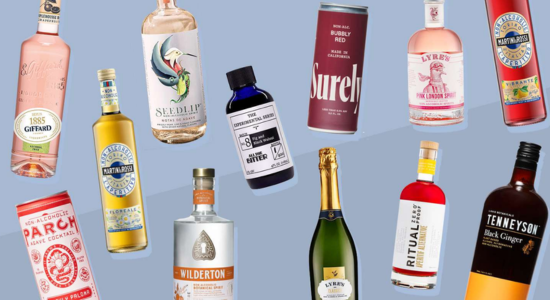
Mountain flavours are particularly useful for alcohol-conscious servers because bitterness, roots, herbs, citrus and carbonation can create complexity even when alcohol is reduced or removed. A gentian tonic, spruce-and-lemon highball, mint-and-juniper cooler or alcohol-free Alpine spritz can therefore sit naturally beside the full-strength menu. The broader trend already includes non-alcoholic botanical drinks and Alpine-inspired sodas, showing that the flavour vocabulary is extending beyond traditional liqueurs. For operators, that means one Alpine concept can serve the guest seeking a strong digestif, a lower-ABV aperitivo or a zero-proof drink without losing its identity.
The most convincing Alpine cocktail programs will not be the ones with the largest collection of obscure herbal bottles or elaborate chalet décor, but those that understand why mountain drinking remains compelling: freshness, bitterness, aromatic intensity, seasonality, ritual and a powerful sense of place. A range of Alpine liqueurs, amari and contemporary botanical spirits give bartenders several routes into that world, yet the opportunity begins when those flavours are translated into formats guests already understand, and bar teams can execute consistently. Used thoughtfully, Alpine drinking culture can strengthen aperitivo hours, sharpen winter menus, give lower-ABV drinks more personality and create premium storytelling without requiring an expensive reinvention of the back bar. The objective is not to convince guests they have been transported to the Alps; it is to make crisp herbs, gentian bitterness, mountain florals, and forest aromatics feel natural in a modern cocktail bar until they stop seeming niche at all.
Header image source: Saveur
Also Read:
The Fall Menu Reset: Are You Building Cocktails for Your Guests—or for Other Bartenders?
Why Flavoured Tequila Is Dominating Cocktail Menus
Navigating the World of Intentional Cocktails: Beyond the Buzz