Educating Bartenders Worldwide.
By Beverage Trade Network
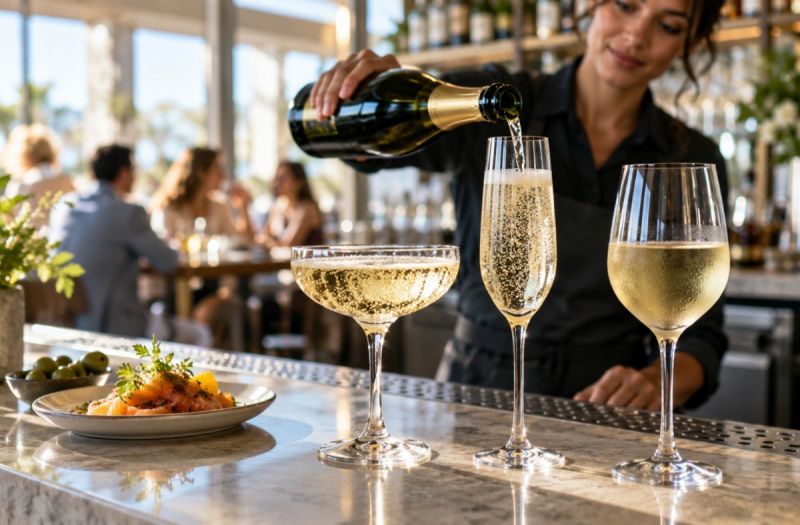
The U.S. beverage alcohol market remains under pressure, but new sales data points to a promising opportunity for bars, restaurants, and hospitality operators: sparkling wine and fresh white wine are growing.
According to SipSource data released by Wine & Spirits Wholesalers of America, Champagne revenue increased 14.7% during the latest three-month period, Prosecco grew 10.2%, and Sauvignon Blanc rose 3.2%.
The broader market remains challenging. Total wine and spirits volume declined 6.8% over the latest 12 months, while revenue fell 6.1%. However, these three wine categories show consumers are still willing to spend when drinks fit the occasion and deliver a clear experience.
For bar operators, the opportunity extends beyond simply adding more wine to the list. Champagne, Prosecco and Sauvignon Blanc can support brunch menus, aperitif programs, happy hours, outdoor drinking occasions and lighter cocktails.
Champagne and Prosecco were once closely associated with formal celebrations. Today, they are increasingly part of more relaxed, everyday drinking occasions.
Prosecco has become a natural fit for spritzes, Bellinis, and other accessible sparkling cocktails. Its recognizable name and approachable price make it easier for guests to order without requiring a lengthy explanation.
Champagne can give a drinks program a more premium dimension. It can be served by the glass, used in classic cocktails, or positioned as an upgrade for guests celebrating birthdays, engagements, and other special moments.

Cuvée des Enchanteleurs | 2026 Sparkling Wine of the Year - Highly recommended by people in restaurants and bars. Winner of Sommeliers Choice Awards.
The growth of both categories suggests that consumers are not moving away from premium experiences entirely. Instead, they may be concentrating their spending around drinks and occasions that feel distinctive and worthwhile.
For bars, the commercial opportunity lies in making sparkling wine visible, accessible, and relevant throughout the day—not only when a guest orders a bottle for a celebration.
Brunch may be one of the strongest occasions for bars to capitalize on these changing preferences.
Mimosas remain an important part of brunch, but operators can build a more creative and profitable drinks program around sparkling wine. Bellinis, Champagne cocktails, seasonal spritzes and low-ABV serves can give guests more choices while supporting premium upgrades.
Bars can move beyond the standard orange-juice mimosa by incorporating seasonal fruit, tea, herbs, shrubs and culinary ingredients already used by the kitchen.
A simple tiered structure could include an accessible Prosecco mimosa, a premium sparkling-wine serve, and a Champagne upgrade. This gives guests choices at different price points while allowing the operator to improve the average check.
The strongest brunch programs also avoid treating bottomless drinks as the only attraction. A curated menu of well-made sparkling cocktails can support better margins, more responsible service, and a stronger identity for the venue.
Sauvignon Blanc’s 3.2% revenue growth also presents opportunities for bar teams.
The variety is known for its acidity, freshness, and citrus, tropical, or herbaceous characteristics. These qualities make it well suited to drinking by the glass, but they can also work within lighter cocktails and wine-based serves.
Bartenders can pair Sauvignon Blanc with elderflower, cucumber, mint, basil, citrus, stone fruit or sparkling water. The result can be a refreshing, lower-alcohol drink that appeals to guests seeking an alternative to spirit-forward cocktails.
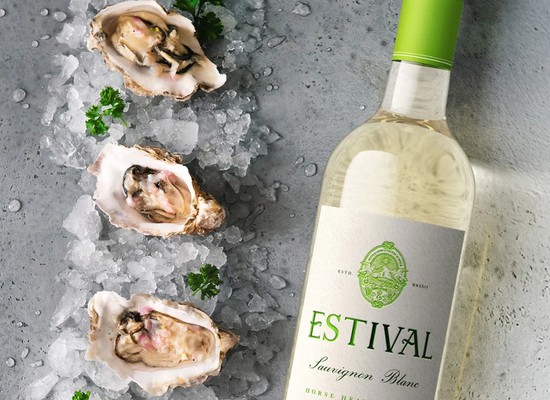
Sauvignon Blanc of the Year at Sommeliers Choice Awards: 2024 Estival Sauvignon Blanc — Ste. Michelle Wine Estates, United States (95 points)
Sauvignon Blanc can also support food-led occasions. Its natural acidity and freshness work with seafood, salads, goat cheese, vegetables and many globally influenced dishes.
By presenting Sauvignon Blanc as both a wine and a cocktail ingredient, operators can create additional uses for the same inventory while making the category more relevant to cocktail-focused guests.
One of the most important findings for hospitality operators is the relative strength of on-premise sales.
Combined wine and spirits volumes in bars, restaurants and other hospitality businesses declined 2.8% over the latest 12 months. Off-premise volumes declined by a considerably steeper 7.5%.
The on-premise channel has not yet returned to overall growth, but it is significantly outperforming retail. Consumers may be cutting back on bottles purchased for home, but they continue to value social occasions, hospitality and drinks they cannot easily recreate themselves.
This reinforces the importance of presentation and service. Guests are not only paying for the liquid in the glass. They are paying for atmosphere, glassware, garnishes, bartender knowledge, food pairing and the wider experience of visiting a venue.
While wine is showing some encouraging signs, the spirits category continues to face deeper revenue and premiumization pressure.
During the latest three-month period, spirits volume declined 5.7%, while revenue fell 7.1%. Spirits priced above $50 experienced an 8.9% revenue decline, with the $50 to $99.99 segment down 9.5%.
The widening gap between volume and revenue suggests that consumers are prioritizing value and becoming more selective about premium purchases.
For bars, this does not mean eliminating premium spirits. It means ensuring that premium drinks provide an obvious reason to trade up.
A higher-priced cocktail should offer something the guest can see, taste, or experience, whether through a better spirit, tableside presentation, an unusual ingredient, a signature ritual, or a compelling story. Simply increasing the price without strengthening the experience may become more difficult in a value-conscious market.
Operators can respond to these trends without rebuilding their entire beverage programs.
They can begin by identifying the occasions where sparkling wine and Sauvignon Blanc make the most sense. Brunch may be the most obvious starting point, but aperitif service, happy hour, lunch, outdoor seating, and early-evening occasions can be equally valuable.
Bars could consider:
- Offering Prosecco, Champagne and Sauvignon Blanc by the glass
- Creating a small menu of sparkling and wine-based cocktails
- Introducing premium upgrades for mimosas and other brunch drinks
- Using seasonal ingredients to refresh sparkling cocktails
- Adding lower-ABV serves for daytime and early-evening guests
- Pairing selected drinks with brunch or small-plate dishes
- Training staff to explain the difference between sparkling options
- Offering Champagne by the glass during specific service periods
- Monitoring waste carefully and using preservation systems where appropriate
The objective should be to make wine easier to discover and more relevant to the way guests currently drink.
A Growing Opportunity for Creative Bar Programs
The latest market figures show that the beverage alcohol market remains a difficult environment, but they also demonstrate that consumers have not stopped seeking quality experiences.
Champagne, Prosecco and Sauvignon Blanc are succeeding because they can move naturally across different occasions. They can be celebratory or casual, served alone or incorporated into cocktails, and positioned at accessible or premium price points.
For bartenders and beverage directors, this flexibility creates an opportunity to rethink the role of wine behind the bar.
The next wave of wine growth may not come only from the traditional bottle list. It could come from the brunch cocktail, the afternoon spritz, the Sauvignon Blanc highball, or the glass of Champagne that turns an ordinary visit into an occasion.
Source: Wine & Spirits Wholesalers of America—SipSource, July 2026.
Also Read:
How To Bring Alpine Drinking Culture Into A Modern Cocktail Bar
The Daycap Economy: Why Earlier, Lighter Drinking Is Changing The Bar Business
Flavored Soju: The Next Big Trend in the Beverage Market